
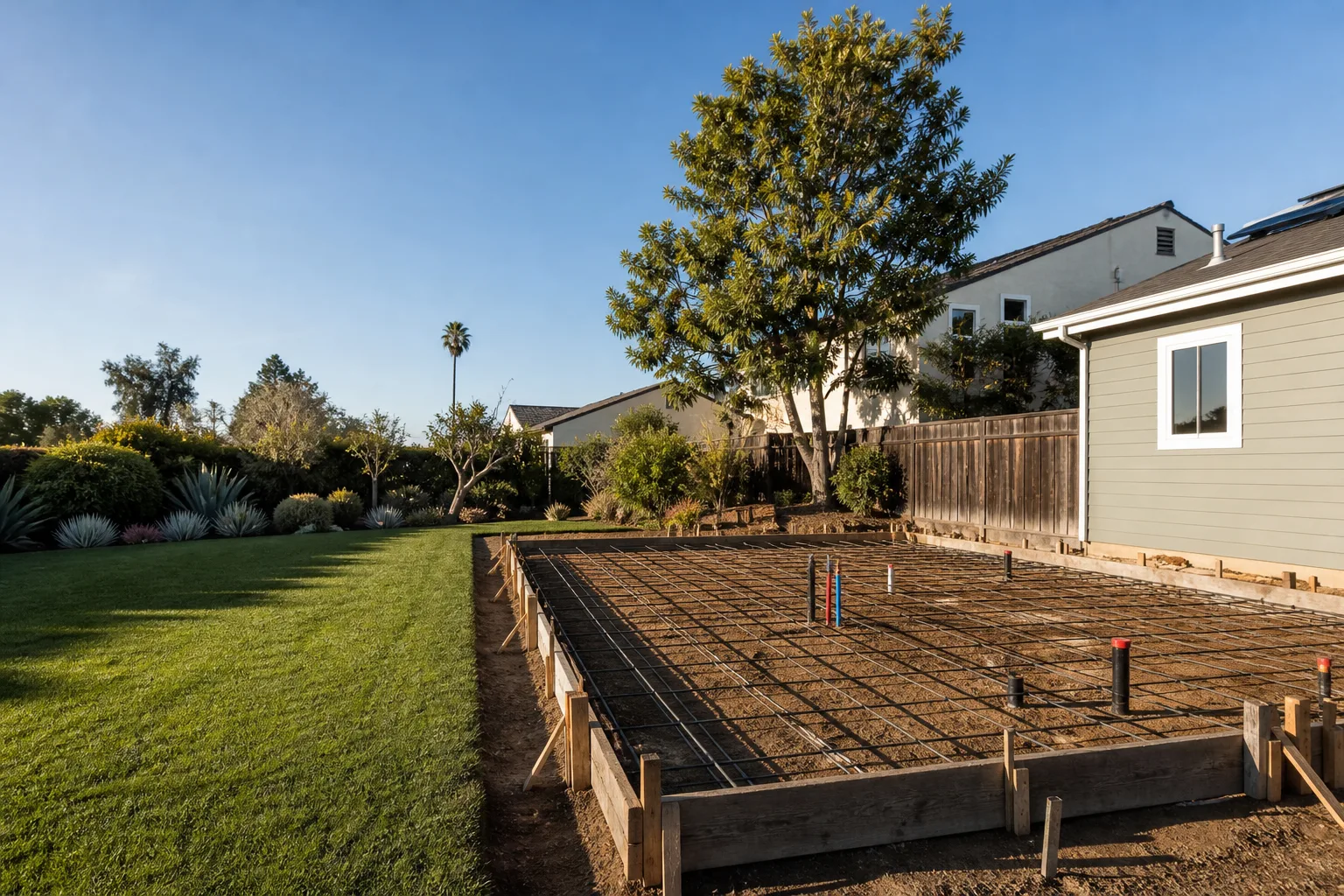
Cover Site Prep & Utilities: The Los Angeles Owner’s Guide
Site prep and utilities for a Cover unit in Los Angeles typically runs $12,000 to $38,000 installed, depending on trenching distance, soil conditions, and whether your panel needs an upgrade. We stock the common components in our Los Angeles yard and can usually have a crew on your property within a few days of your call. Most owners discover they need this work when their Cover delivery date gets scheduled and the site survey reveals underground surprises: old concrete, undocumented irrigation lines, a sewer lateral exactly where the trench needs to go, or a 100-amp panel already maxed out.
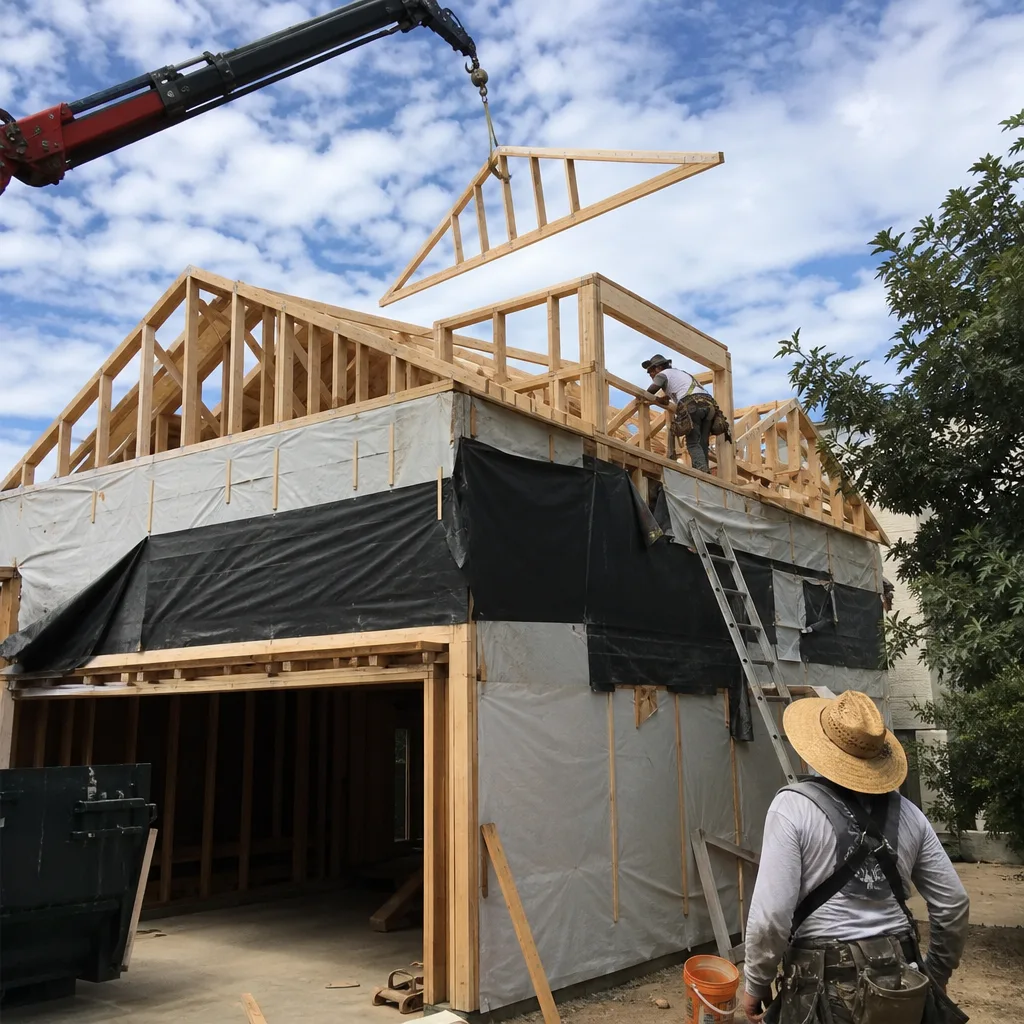
If you’re reading this, you probably already have a Cover product selected and the conversation has shifted from “what should we build” to “what has to happen before it gets here.” That’s the right conversation. We’ll walk you through what’s below.
Key Takeaways
- Site prep and utilities for Cover units in Los Angeles range from $12,000 to $38,000 installed.
- Your property’s underground conditions drive the price more than any other variable.
- We stock trenching, conduit, water, sewer, and panel components locally, so you’re not waiting on backorders.
- Every quote comes as a written, line-item price before any work starts. No exceptions.
- Ben Ortega and our crew know the LADBS process well enough to tell you honestly what your timeline looks like.
Which Cover Models This Applies To
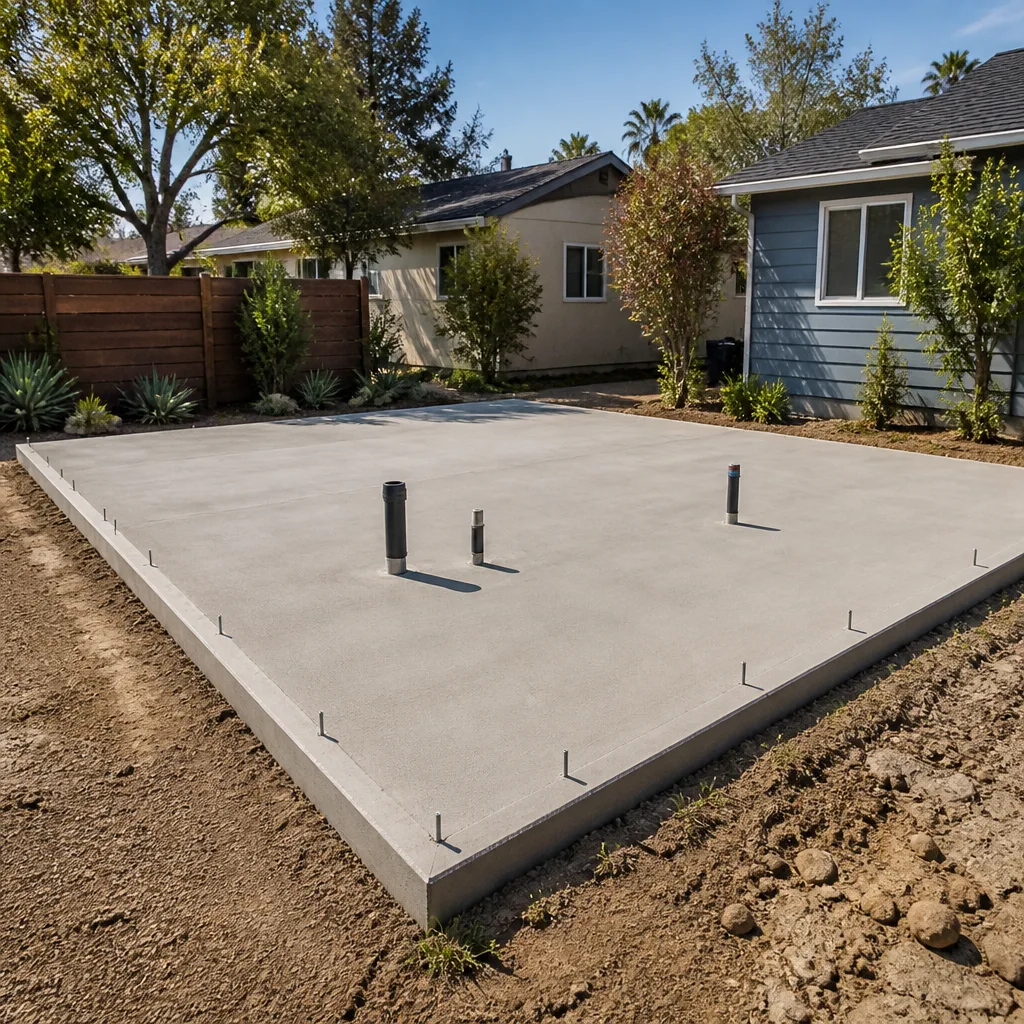
Cover builds panelized units, not flat-pack kits, which changes how site prep works. The unit arrives on a trailer ready to be set, but the site underneath it has to be flat, compacted, and ready for point loads that the Cover engineering set already specifies. Every Cover model, from the one-bedroom studio to the two-bedroom unit, runs utilities the same way: water and sewer come in from below, electrical either comes in from below or through a side wall penetration depending on your lot grade.
The compatibility gotcha most owners hit: Cover’s standard utility rough-in assumes a specific stub-out location relative to the foundation footprint, usually within a two-foot tolerance window. If your existing sewer lateral is fifteen feet away from that spot, the price moves because someone has to dig to it. If your gas meter is on the wrong side of the house, you’re paying for longer pipe runs. None of this is a problem, but it’s the difference between a $14,000 prep and a $26,000 prep. We work with Abodu and Dvele units too, and the same site rules apply to all of them. Cover just tends to have tighter stub-out tolerances, so we check measurements twice before trenching.
One more thing to know: in parts of Los Angeles with expansive or poorly compacted soil, we sometimes need to over-excavate and bring in engineered fill before the Cover foundation system goes down. That’s not a Cover problem, it’s a Los Angeles soil problem. We’ve seen it on hillside lots in Mount Washington and in the sandy flat land out toward the Valley.
Signs Your Cover Site Prep & Utilities Is Failing
- Water pressure drops when two fixtures run at once. This usually means the supply line from your main is undersized for the added demand of a second dwelling. We see it most often on older Los Angeles homes with original galvanized pipes that have narrowed from decades of mineral buildup.
- Sewer backups happen after heavy rain. If your main line already flows near capacity, adding a Cover unit’s sewer load can expose it. The tell is a gurgling sound from a floor drain during storms, meaning the line is nearly full and the new connection will push it over.
- Your panel trips when the unit’s heat pump kicks on. A Cover unit draws real current. If your panel is already running at 80 percent capacity before the ADU connects, the main breaker will make itself known. We’ll do a load calculation before the unit arrives, not after.
- Standing water puddles near the proposed foundation area. This points to a drainage problem that will undermine the unit’s pad over time. Los Angeles gets less rain than people think, but when it comes, compacted clay does not absorb it quickly.
- Utility stubs from a previous project were abandoned without proper capping. We find this on lots that had old garages or sheds torn down. The utility lines were cut but not retired correctly, and now they leak or short or just confuse every new bid.
Replacement Cost & What’s Included
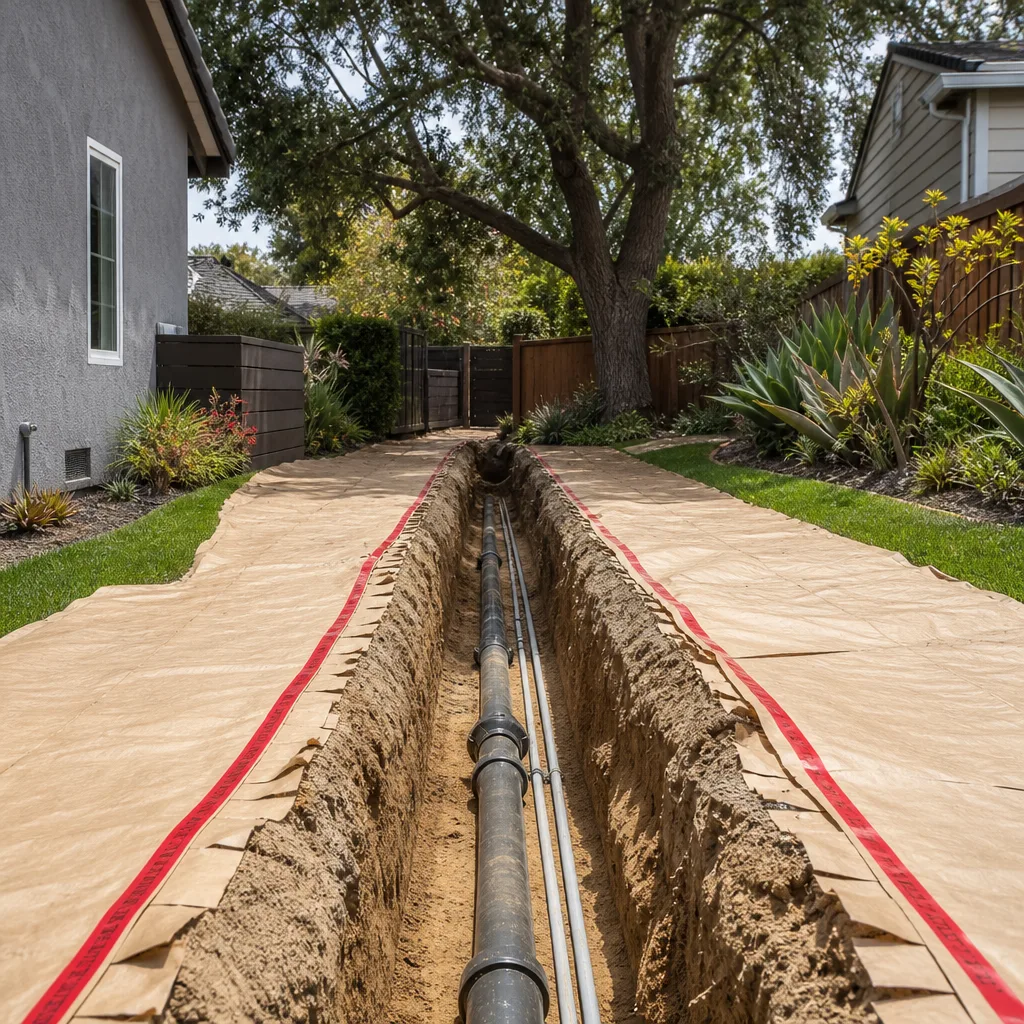
Installed site prep and utilities for a Cover unit in Los Angeles land between $12,000 and $38,000, and unlike other contractors, we put every line item in writing before the first shovel goes in. What’s included: trenching up to the Cover-specified depth, water and sewer line runs, electrical conduit, a subpanel where needed, backfill and compaction, and coordination with LADBS inspections. The price range exists because lot conditions vary wildly across Los Angeles. A flat lot in Westchester with soft, sandy soil and a 200-amp panel already in place sits at the low end. A hillside lot in Eagle Rock with hardpan, a 100-amp panel from the 1970s, and a sewer line on the far side of the property sits at the high end.
What you will not see: a change order after we break ground because we “didn’t know” the soil was rocky. We test before we quote. Our written price includes the work. The 365-Day Done Right Promise covers the finished site work, so if something isn’t right a year later, we make it right.
DIY or Call Us?
Trenching and utility connections are not a weekend project, and in Los Angeles they’re not even a legal one without a permit. Digging without a utility locate can put a shovel through a gas line or a live electrical feeder, and that is genuinely dangerous. We’ve seen it. The safest thing an owner can do is map out what already exists: locate your sewer cleanout, check your panel amperage, and note where your water main enters the property. That information helps any contractor give you a straight quote faster.
Where DIY goes wrong is the actual connection work. Cover units need a certain water volume, a certain sewer fall, and a certain electrical service. Get any of those wrong and you’re paying twice: once to do it wrong, once to have us fix it. The honest path is to call (213) 449-7136 and tell us what you’re working with. We’ll come look and give you a written price.
FAQs
Properly installed water and sewer lines in Los Angeles soil last 40 to 60 years, and electrical conduit outlasts the wire inside it, which we oversize so future upgrades don’t require re-trenching. The real variable is drainage: if water moves away from the foundation, everything under it stays stable. Call (213) 449-7136 for a site walk and we’ll tell you what your lot is working with.
Sometimes yes, especially if the existing sewer lateral is in good shape and just needs a new cleanout or a connection point. But if the pipe is clay or Orangeburg from the 1960s, repairing it is money down a hole. We’ll camera the line and show you exactly what we’re seeing before you commit to anything.
A straightforward lot with accessible utility points takes 3 to 5 working days for trenching, connections, and backfill. Rough soil, long runs, or panel upgrades stretch it to a week and a half. We set expectations in the written quote, and we show up with a clean-up photo before the crew leaves each day so you know what happened while you were out.
We stock the common sizes of water line, PVC sewer pipe, electrical conduit, weatherheads, and panel components in our Los Angeles yard. That means we’re not waiting on supply houses for standard runs. If your site needs a specialized fitting that Cover’s engineering set calls for, we order it when you sign the quote, not after the trench is open. Call (213) 449-7136 and we’ll check inventory for your specific lot.
No. The written price we hand you covers the scope we agreed to. If we hit an unknown underground condition, we stop, show you what we found, and give you a separate written price for the additional work before we do anything else. You approve it in writing or we don’t do it. That’s the whole promise.
Tell me what you need the space to do, and we’ll figure out the honest path to get there.
Written by Ben Ortega, Owner, Seedling ADU Los Angeles at Seedling ADU Los Angeles, serving Los Angeles and nearby areas.


