
Tuff Shed Garage Conversion ADU: The Los Angeles Owner’s Guide
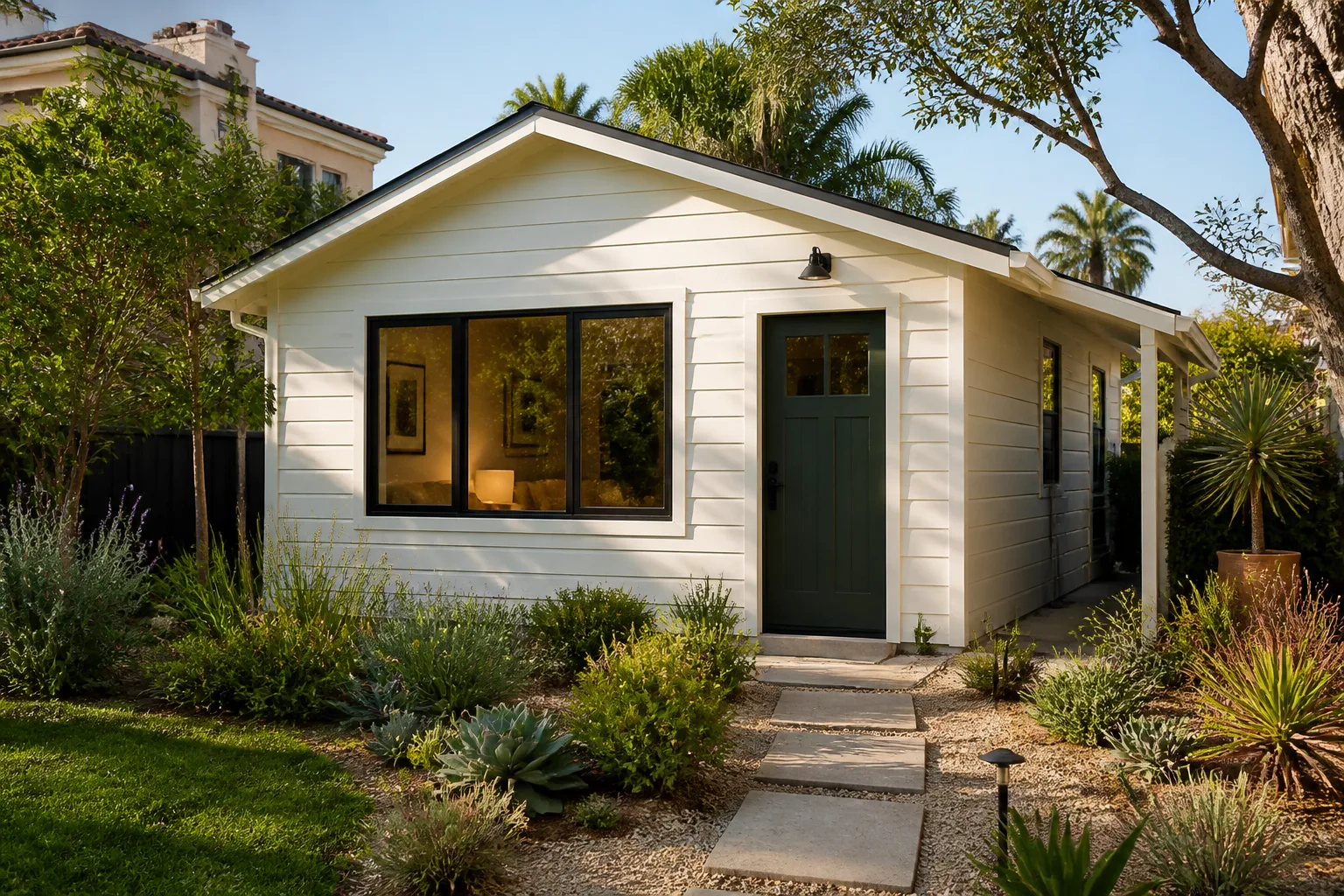
If the Tuff Shed on your Los Angeles lot was built as a shell and you’re now trying to turn it into a legal garage conversion ADU, the part most owners don’t plan for is the foundation-to-sill connection and the structural reinforcement that brings a storage building up to California residential code. A Tuff Shed delivered as a storage unit needs real work before anyone sleeps in it: hold-downs, shear reinforcement, upgraded electrical rough-in, and insulation that meets Title 24. Seedling ADU Los Angeles plans and installs those upgrades, with a typical Tuff Shed-to-ADU conversion landing between $90,000 and $160,000 in Los Angeles depending on the shed’s size, condition, and how much of the original framing is worth keeping.
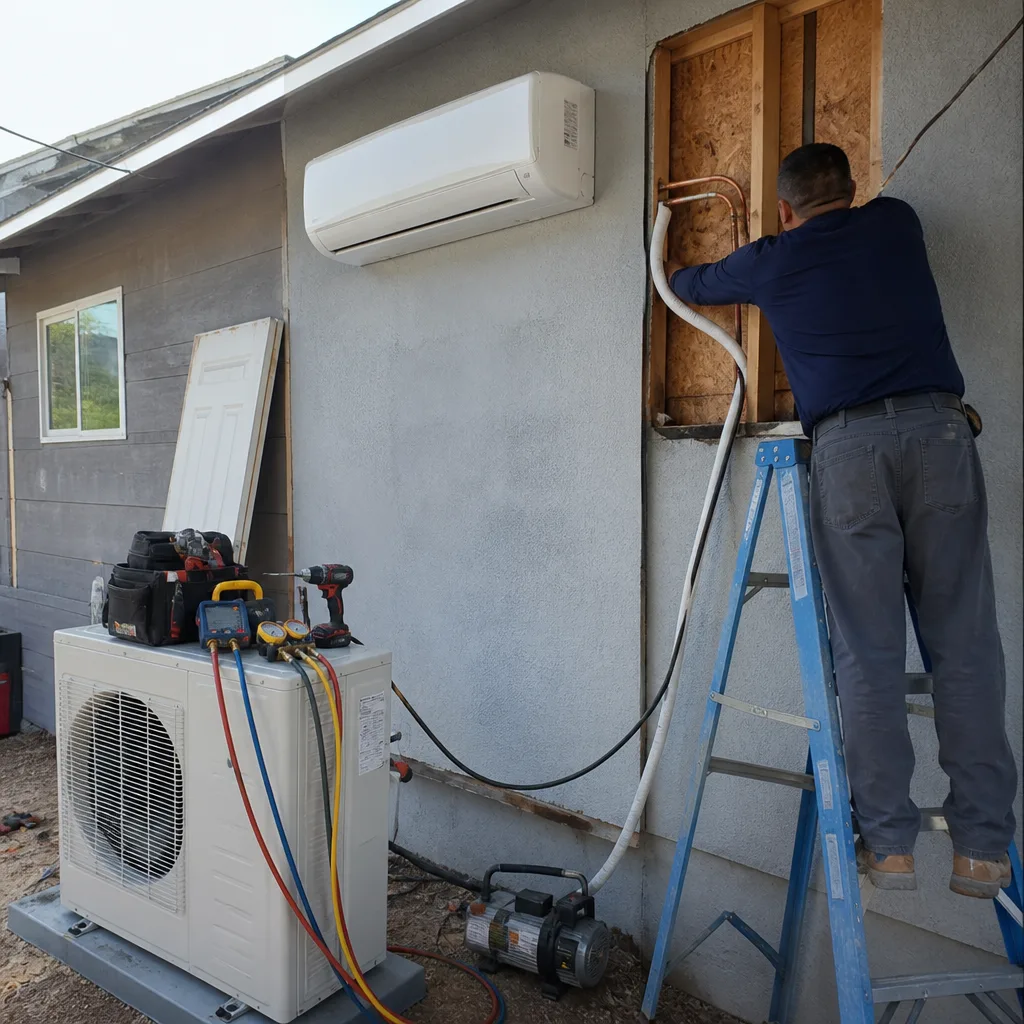
We usually get the call when an owner has a Tuff Shed sitting on a slab, a set of plans coming back from a draftsman, and a stack of questions about whether the walls are strong enough, whether the county will sign off, and what it will actually cost. Ben Ortega has walked enough of these Los Angeles lots to know the honest answer is usually: it depends on what’s under the siding, literally.
Which Tuff Shed Models This Applies To
Tuff Shed builds two lines that show up most often in Los Angeles backyards: the Premier PRO series (2×4 wall framing, engineered trusses, upgradeable to larger studs and higher roof loads) and the standard Ranch/Pro series (2×4 studs at 16 on center, standard gable or barn roof). The model number is printed on the permit packet and usually on an aluminum tag near the rear corner of the shed. If that tag is gone, measure the stud spacing and look at the header over the door opening. A 2×6 header tells you it’s a Premier PRO. A 2×4 flat header tells you it’s the standard line, and that changes the reinforcement plan entirely.
For a Los Angeles garage conversion ADU, the structural upgrade path is different from what Tuff Shed sells at point of purchase. We work with Tuff Shed shells, but we are an independent service provider, not affiliated with Tuff Shed. That independence matters because a Tuff Shed ordered as a home office in 2019 does not arrive pre-engineered for residential occupancy. We plan the hold-downs, the shear wall nailing schedule, and the anchor bolt retrofit against the actual framing we find on site, not against what the catalog said. We also handle structural and finishing components for other ADU brands like Abodu, Cover, and Dvele, but Tuff Shed conversions are the ones where the on-paper specs and the on-site reality diverge the most.
Signs Your Tuff Shed Garage Conversion ADU Is Failing
If the shed is already standing on your Los Angeles property and you’re wondering whether the bones are worth converting, here’s what tells us the most:
- Gaps at the sill plate. A storage Tuff Shed is often set on pier blocks or a thin slab with no bolted connection. If you can slide a putty knife between the bottom plate and the concrete, the building is not anchored for seismic shear, and that’s a code-stopping problem for an ADU.
- Walls pulling away at the corners. Standard sheds use lap corners with minimal fastening. When drywall goes on, corner movement becomes visible cracking. This tells us the wall sheathing needs to be tied into the corner studs properly.
- Roof sag or visible truss separation. Tuff Shed trusses are engineered for storage loads, not for the added weight of insulation, drywall, and a ceiling fan. If the ridge line has a dip, the trusses are over-spanning.
- Moisture staining low on interior walls. In Los Angeles, most shed failures happen at the ground line. Without a proper moisture barrier and clearance, water wicks up from the slab and rots the bottom plate over years.
- Electrical cobbled in with extension cords. A lot of sheds get power from a single outdoor outlet on the house. For a legal ADU, you need a dedicated subpanel, proper grounding, and a rough-in inspection. Extension cord power is the fastest way to fail a Title 24 review.
Replacement Cost & What’s Included
In Los Angeles, a full Tuff Shed-to-ADU structural and systems conversion runs between $90,000 and $160,000. The spread comes from three things: the size of the shed, whether the existing slab meets residential footing requirements, and how much of the original framing can be reused once we open the walls. If the slab is too thin or lacks turned-down edges, you’re adding a new foundation, and that’s the single biggest line item.
Every Seedling ADU Los Angeles project gets a written price before any work begins. That price includes the structural retrofit, insulation and drywall, electrical and plumbing rough-in, windows and doors that meet egress and Title 24, and all Los Angeles County permit coordination. There are no surprise line items added after the crew shows up. The work is covered by our 365-Day Done Right Promise: if it’s not done right, we make it right. That’s in writing, on every job.
DIY or Call Us?
What an owner can safely check on a Tuff Shed: the condition of the bottom plate, the presence of anchor bolts, the framing tag, and whether the roof plane is straight. A visual walkaround tells you a lot without touching a tool. What we don’t recommend handling yourself is anything involving the structural connection, the electrical rough-in, or the shear wall retrofit. The wrong hold-down placement fails inspection, and the wrong electrical work is a genuine fire hazard. This is the part of the job where a trained professional with Los Angeles ADU code experience earns their keep.
Before anyone opens a wall, call us at (213) 449-7136. Tell me what you need the space to do, and we’ll figure out the honest path to get there. Estimates are free, and we’ll tell you plainly whether the shed you have is worth converting or whether starting fresh with a different shell makes more sense.
FAQs
A properly retrofitted Tuff Shed conversion with a new moisture barrier, bolted sill plate, and upgraded roof structure should last 40 to 50 years in the Los Angeles climate, matching the lifespan of a comparably built stick-frame ADU. Without the retrofit, the original shed shell starts to fail at the ground line within 10 to 15 years, especially in coastal-adjacent areas with more humidity. Call (213) 449-7136 and we’ll tell you honestly which category yours falls into.
Yes, in most cases the framing can be reinforced rather than torn down. We add hold-downs, sister studs where dry rot has set in, and shear paneling over the existing sheathing. What usually gets replaced entirely is the bottom plate, the roof sheathing if there’s been leaking, and any headers that don’t meet residential code. The exact scope is quoted in writing after we open the walls.
For a standard single-car Tuff Shed conversion in Los Angeles, the on-site work typically runs 8 to 12 weeks. The permit phase before that can take 4 to 10 months in Los Angeles County depending on which plan check office handles the file. We pull permits and manage inspections on your behalf.
We stock everything needed for the structural retrofit, Title 24 insulation, electrical, and finishes. You don’t need to order anything from Tuff Shed directly. If the shed needs a new door or window to meet egress, we supply code-compliant units as part of the written price.
Written by Ben Ortega, Owner, Seedling ADU Los Angeles at Seedling ADU Los Angeles, serving Los Angeles and nearby areas.


