
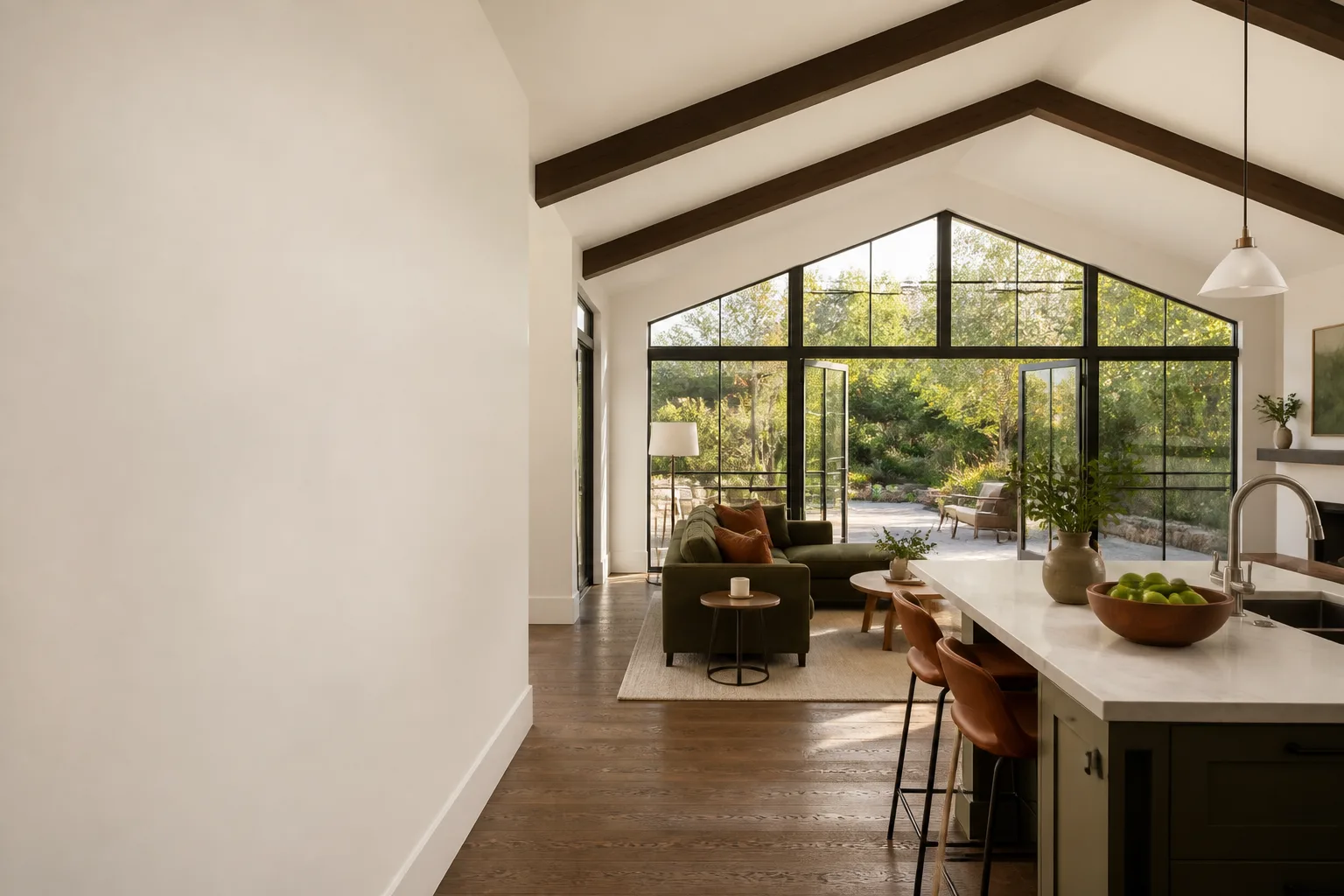
James Hardie Home Addition Contractor in Los Angeles: What to Know First
We build home additions that use James Hardie siding and trim, and we treat the James Hardie portion of the job with the same written-price, clean-site discipline we bring to every project. A typical James Hardie home addition in Los Angeles runs from roughly $180,000 for a simple bump-out to $450,000+ for a full second story, with the Hardie materials and installation making up $18,000 to $65,000 of that depending on scope. Call (213) 449-7136 and we’ll give you a written price before any work starts.
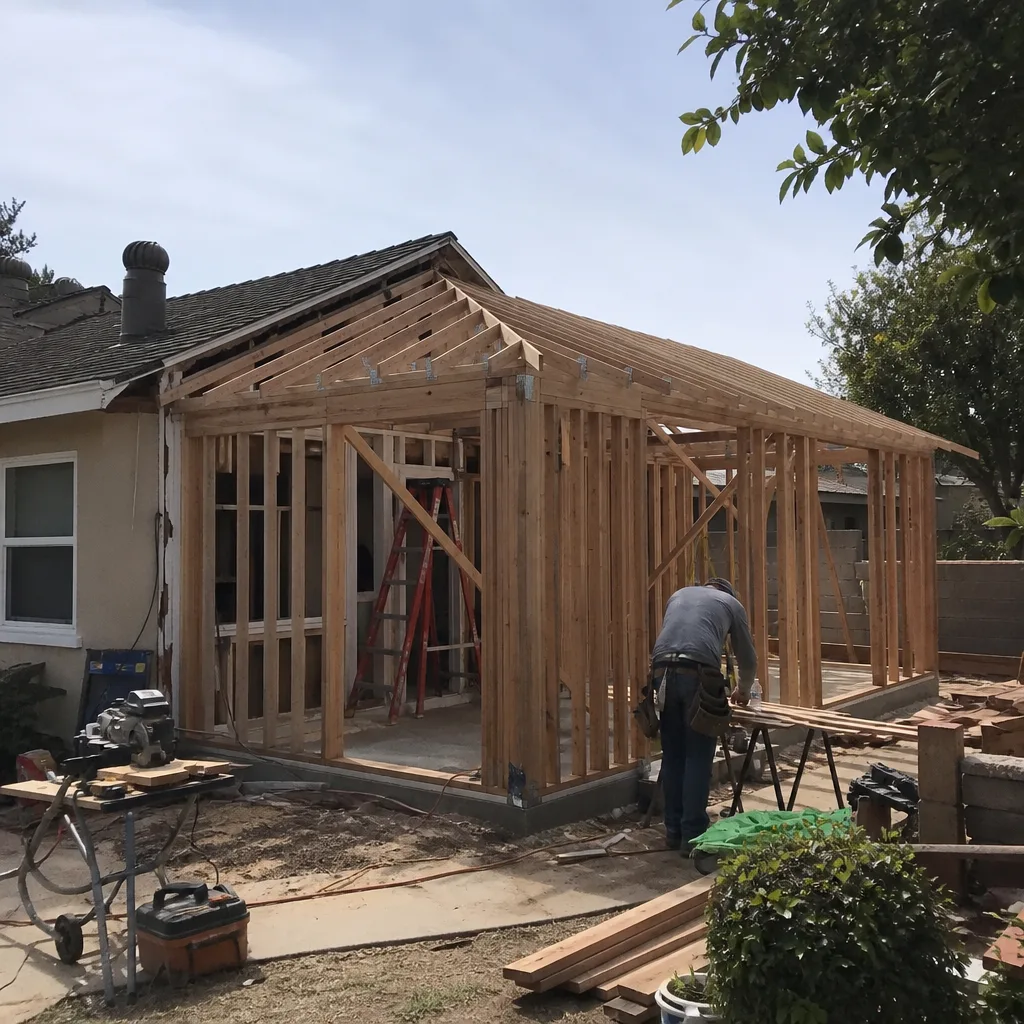
This page is for Los Angeles homeowners who already have James Hardie siding or plan to use it on a new addition. If you’re trying to match existing HardiePlank lap siding, tie a new roofline into HardiePanel, or figure out whether the flashing around your current HardieTrim is actually doing its job before you add square footage, you’re in the right place. We’re an independent James Hardie service provider, not a factory-authorized installer, which means we answer to you, not a corporate program.
Key Takeaways
- We handle the full addition: framing, Hardie siding and trim, flashing, paint, and the interior finish work.
- Written price before we start, on every James Hardie addition. No surprise line items later.
- We match existing Hardie lines and profiles so the addition doesn’t look bolted on.
- Every job is covered by our 365-Day Done Right Promise in writing.
- As an independent contractor, we can source Hardie materials from multiple suppliers when availability gets tight.
Tell me what you need the space to do, and we’ll figure out the honest path to get there. That’s how every estimate call starts.
How James Hardie Products Fail – and How We Fix Them
James Hardie products are good, but they fail in predictable ways in Los Angeles. Here’s what we see most often on existing Hardie-sided homes when we arrive to plan an addition, and what we do about it before we build.
- HardiePlank lap siding with sealant failure at butt joints. HardiePlank boards don’t overlap; they butt against each other. The factory tells you to leave a small gap and caulk it. That caulk fails in LA’s sun within 3 to 5 years, and water gets behind the board. When we tie a new addition into existing HardiePlank, we pull back the closest boards, inspect the water-resistive barrier, replace any damaged section, and re-seal with an elastomeric joint sealant rated for fiber cement. If we don’t do that, you’re building a new room next to a slow leak.
- HardieTrim around windows pulling away after wind and dry-season contraction. HardieTrim boards are dense and heavy. In LA’s wet-winter, dry-summer swing, the wood framing behind them expands and contracts at a different rate than the fiber cement. The result is trim that gaps at corners or pulls nails. On addition projects, we use the wider HardieTrim boards and pre-drill before fastening, then back-rod and seal every joint. It’s slower. It’s also the only way to stop the gap from coming back in two seasons.
- HardiePanel vertical siding with edge wicking on shaded walls. Sections of HardiePanel on north-facing walls or behind trees stay damp longer in LA’s marine-layer mornings. The panel edges soak up water and swell slightly, which cracks the paint and lets more water in. Before we attach an addition roofline to any shaded HardiePanel wall, we cut back the bottom edge to at least 6 inches above grade, prime every exposed cut edge, and install a metal drip cap if the panel sits below a roof intersection. James Hardie’s own install guide requires edge priming, but half the homes we see never had it done.
- HardieSoffit sagging in humid crawl spaces and under eaves. People think soffit doesn’t matter. In Los Angeles, when a homeowner adds a second story over a single-story Hardie home, the old soffit often carries more load than it was installed for. HardieSoffit panels are rated for specific span distances, and if the previous installer stretched them too far, they bow. We replace the soffit with correctly spaced framing and new panels before the upper addition goes up. Fixing it after means tearing out finished work.
- Improper flashing at Hardie-to-roof intersections causing hidden rot. This is the one that makes me pause on walkthroughs. Where Hardie siding meets a roof line, the flashing has to step out over the siding and down over the shingles or metal. When it’s done flat or missing, water runs behind the siding and rots the sheathing for years before it’s visible. On additions, every Hardie-to-roof intersection gets a new step flashing detail, inspected before we close the wall. If you have a dark stain spreading from that intersection, the damage behind the siding is always worse than the stain.
Our James Hardie Home Addition Contractor Process
Every addition we build follows the same sequence. No surprises, no disappearing for a week, no mystery about what happens next.
- 1
Walkthrough and measurements. We visit the home, measure the existing structure, identify which Hardie product lines are already installed, and confirm what you want the new space to do. Ben Ortega grew up in Eagle Rock and still thinks about homes the same way he did back then: practical first, comfortable second.
- 2
Written proposal with line-item pricing. You get a written price for the entire addition before any work begins. Hardie materials, framing, electrical, plumbing, paint, trim, flashing, interior finishes. Every line, every cost.
- 3
Material selection and matching. If your home has HardiePlank in a specific color and texture, we match it. If the profile is discontinued, we tell you, and we bring samples of the closest current option so you can see it against your existing walls before the first nail goes in.
- 4
Build and daily protection. Our crew wears shoe covers and drops cloths inside your home on every visit. We use pet-safe products where there’s a choice. At the end of each workday, we send you a photo of the clean-up before the crew leaves. That’s the Cedarwell Care Promise, and it’s not optional.
- 5
Hardie-specific installation and flashing. Every cut edge gets primed. Every flashing detail gets checked. Every joint gets back-rodded and sealed. If it’s not right, our 365-Day Done Right Promise means we make it right.
- 6
Final walkthrough and warranty paperwork. We walk the addition with you, inside and out, and hand you the written warranty, the final price reconciliation (it matches the proposal), and a copy of the clean-up log.
What James Hardie Home Addition Contractor Costs in Los Angeles
Here are the honest ranges we see in Los Angeles for Hardie-clad additions, based on project type and scope:
- Bump-out addition (120 – 250 sq ft): $150,000 – $240,000, including Hardie siding and trim matched to your existing home.
- Sunroom or room addition (300 – 500 sq ft): $210,000 – $350,000, depending on foundation work, window packages, and Hardie material scope.
- Second story addition (500 – 900 sq ft): $320,000 – $500,000+. This includes structural engineering, re-roofing, and full Hardie reskinning or matching on the new upper level.
- Garage addition or garage-top ADU (400 – 700 sq ft): $190,000 – $380,000. Hardie panel is common here because it’s a clean, flat look that works well on modern garage structures.
What moves the price: foundation condition, whether the existing Hardie needs repair before the addition ties in, the number of windows and doors, and whether your existing siding color is still made. If you’re adding a second story over a home with HardiePlank that’s 20 years old, we budget for partial re-cladding where the new structure intersects the old.
Call (213) 449-7136 for a written estimate. It’s free, and you’ll have a line-item price before you decide anything.
Why Los Angeles Homeowners Call Seedling ADU Los Angeles for James Hardie Work
Most addition contractors in Los Angeles treat James Hardie siding as an afterthought: nail it up, caulk it, paint it, move on. We don’t, because we’ve spent the better part of a decade watching what happens in LA’s climate when those details are skipped. The marine layer in the morning, the dry Santa Anas in the fall, the long sun exposure on west-facing walls. Hardie products handle it well if they’re installed correctly, and poorly if they’re not.
We write the price before we touch anything. We answer the phone when a live person calls, 24/7 throughout the project. Our technicians are background-checked and uniformed, so when someone walks through your door, you know it’s our crew. We work with James Hardie, and we also have hands-on experience with Abodu, Cover, and Dvele when an addition project calls for a prefab component. That means you get the right material for your lot, not just what one builder prefers to sell.
Every job we complete is covered by the 365-Day Done Right Promise. If it’s not done right, we make it right. In writing.
FAQs
The James Hardie product warranty covers the siding and trim materials themselves, not the labor or installation. Our workmanship warranty covers the installation for 365 days, and we provide the written price and warranty terms before we start. Any warranty claim on Hardie materials must be filed through James Hardie, and we can help you document the claim if you need it.
Yes, in most cases. Hardie products come in a range of factory colors and textures like the smooth and wood-grain finishes on HardiePlank. If your existing color has been discontinued or your siding has faded in the LA sun, we’ll show you the closest current match and you’ll approve it before installation. Call (213) 449-7136 and we’ll check your specific profile.
A typical room addition or bump-out takes 4 to 7 months from permit submission to final walkthrough in Los Angeles, depending on the scope and the city’s permitting timeline. A second story addition usually runs 8 to 12 months. We won’t rush the crew or cut corners on flashing and sealing, because the details are what make the addition last.
Yes. We pull all required building permits for the addition, coordinate inspections, and close out the permit at the end of the job. In Los Angeles, additions that touch the exterior siding or roofline require plan review and approved drawings before construction starts. We handle that entire process.
No. You get a written price before any work begins, and that price doesn’t change unless you ask for a change to the scope. If we find a condition behind the existing Hardie that wasn’t visible during the walkthrough and estimate, we’ll show you the issue, explain your options, and get your written approval before we spend a dollar beyond the original line items. That’s the no-surprise part of how we work.
Happens often. We’ll document the damage, show you photos, and include the repair work as a separate line item in your proposal. We don’t build a new addition next to a water intrusion problem and hope for the best. Call (213) 449-7136 for an exact quote on the repair and the addition, free of charge.
Ready to Price Your James Hardie Home Addition in Los Angeles?
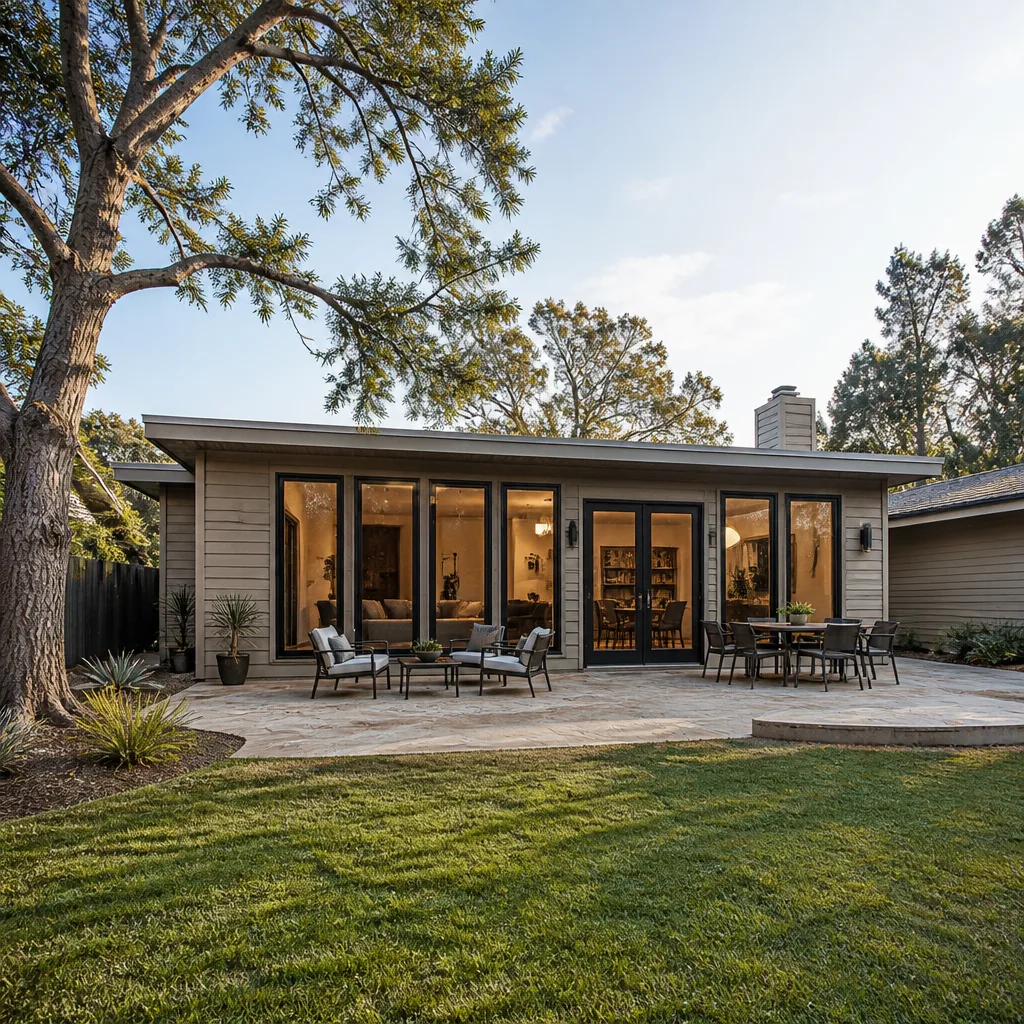
Call (213) 449-7136 and talk to a live person who can answer your questions and schedule a free on-site estimate. You’ll get a written price before any work starts, a crew that respects your home and your family’s routine, and a 365-Day Done Right Promise on every inch of the finished addition.
Written by Ben Ortega, Owner, Seedling ADU Los Angeles at Seedling ADU Los Angeles, serving Los Angeles and nearby areas.


