
Abodu ADU Design & Permitting: The Los Angeles Owner’s Guide
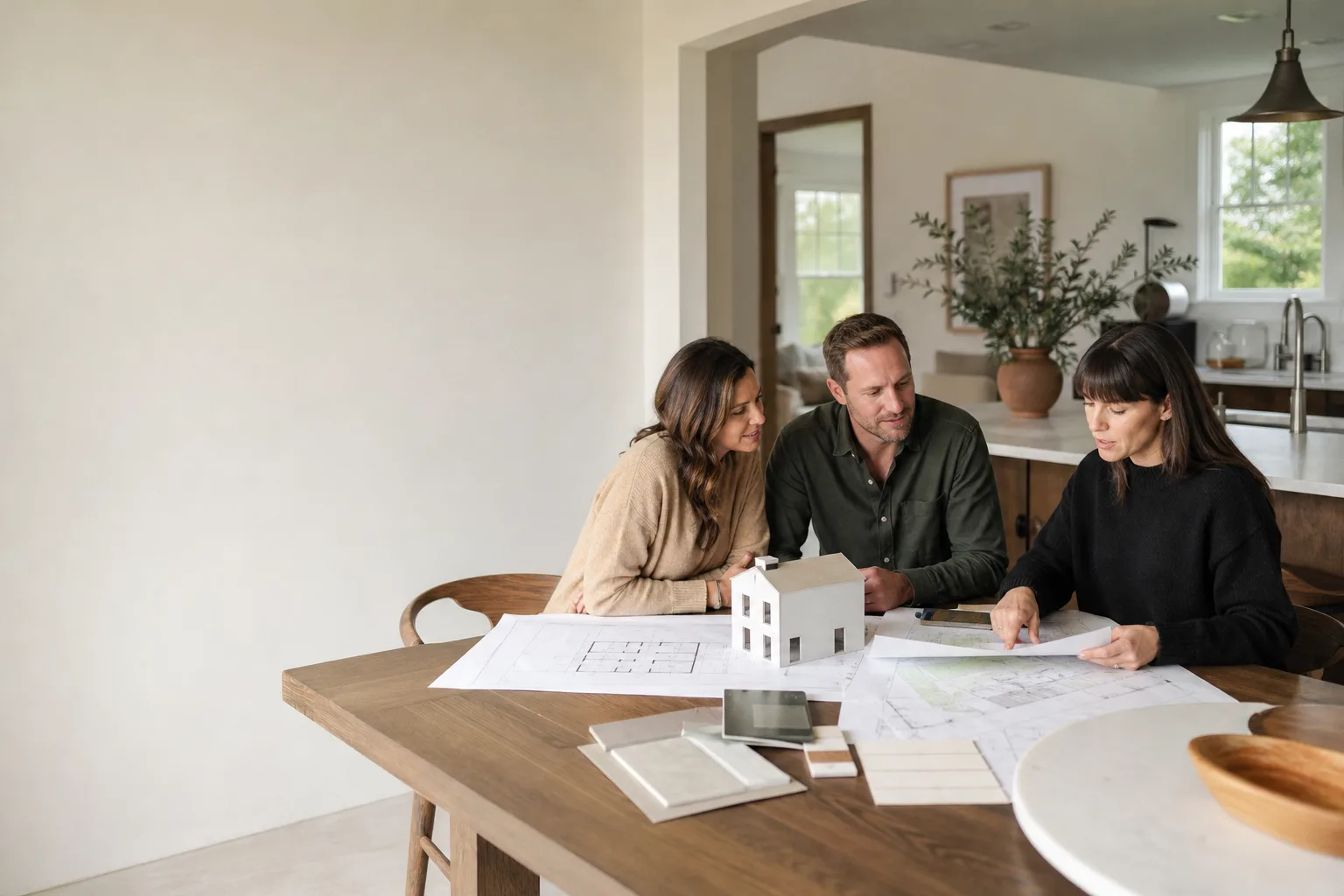
Abodu ADU design and permitting in Los Angeles doesn’t have a single fixed price, but for a typical Abodu one-bedroom unit on a standard Los Angeles lot, you’re looking at $15,000 to $35,000 for design, city submittals, plan revisions, and permit fees, with the full process usually taking 10 to 18 months from first drawings to stamped permits. The good news is that Seedling ADU Builders carries Abodu-compatible design packages and permitting support on our truck-mapped service area across Los Angeles, so we can typically get a site assessment and preliminary design consultation scheduled within the same week you call. Most Los Angeles homeowners discover something is off when their architect’s drawings don’t match what Abodu’s factory actually builds, or when LADBS kicks back a permit set for missing fire-sprinkler calcs, hillside foundation details, or a zoning variance nobody mentioned at the kitchen table. That’s the symptom picture: a design that looked fine on paper, but doesn’t hold up at the counter in downtown Los Angeles or at a hillside site in Silver Lake.
Which Abodu Models This Applies To
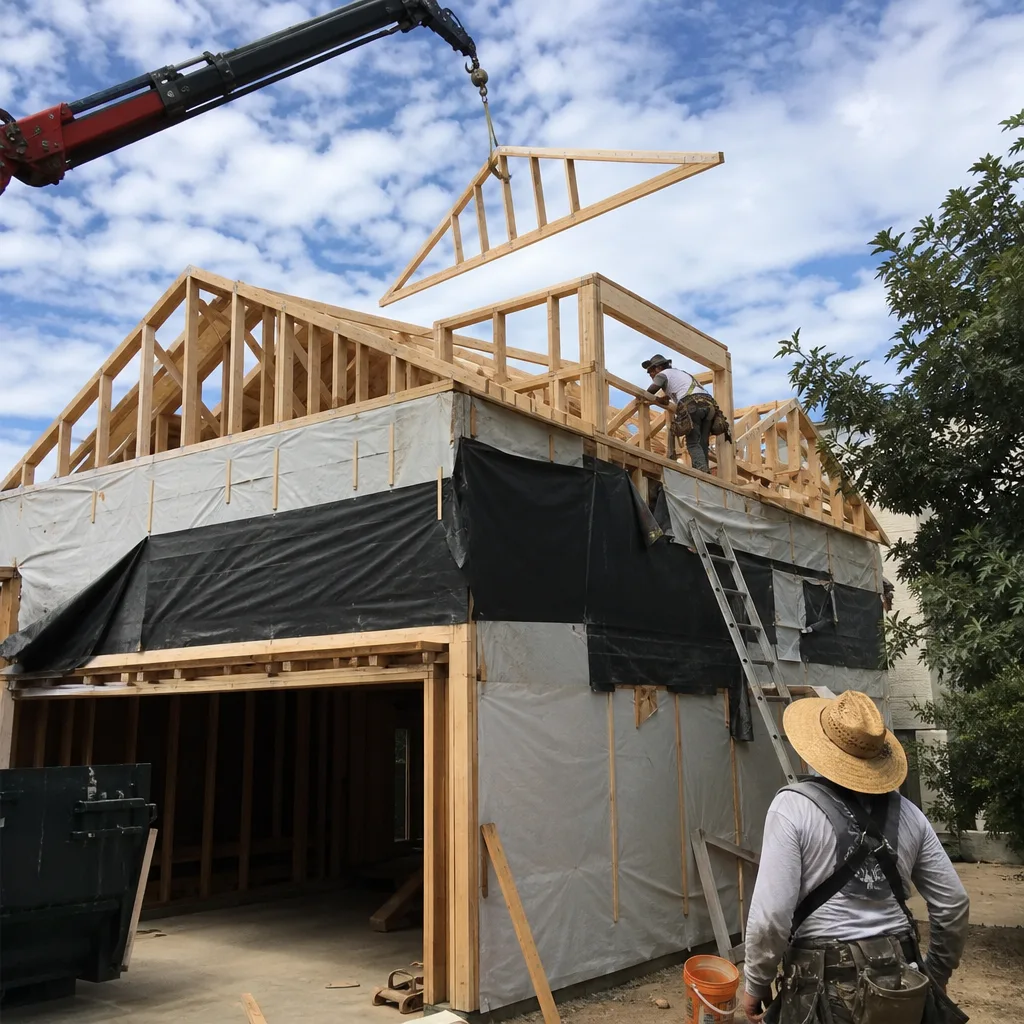
Abodu currently offers three primary series: the Abodu Studio (roughly 340 sq ft), the Abodu One (about 500 sq ft), and the Abodu Two (up to 1,000 sq ft, two bedrooms). Each uses a steel-frame modular chassis with standardized wall panels, but the site-specific design and permitting package varies enormously by Los Angeles zone, slope, and soils report. The Studio and One go through a streamlined path in many Los Angeles neighborhoods because Abodu holds pre-approved plans through the city’s ADU Standard Plan Program, but the Two often requires full plan check because of its size and two-bedroom layout triggering additional parking or fire access review. When we work with an Abodu owner, we always check the serial plate on the chassis and the spec sheet from Abodu’s factory to confirm which revision of the design package we’re dealing with, because panel connections and utility stub-outs changed between 2021 and 2024 production runs. One compatibility gotcha in Los Angeles specifically: early Abodu models didn’t account for the city’s 2023 ADU grading and drainage revisions, so a 2021 Abodu Studio on a hillside lot in Mount Washington may need a supplemental grading plan that a flatland Mid-City lot simply won’t. Abodu itself has no public parts catalog for its modular connectors, but Seedling ADU Los Angeles works with the same factory-specified materials and can source OEM equivalents for site work: hold-down brackets, shear wall strapping, and foundation anchor bolts that match the Abodu installation manual. We also stock aftermarket drip-edge and weather barrier materials that exceed what Abodu’s original packaging specified, and we’ll tell you plainly when OEM matters and when a higher-quality aftermarket material is the better call for a coastal Los Angeles microclimate near Playa del Rey. We are an independent service provider, not affiliated with Abodu, which means we can honestly compare Abodu’s design defaults against Cover or Dvele if a different factory product would fit your lot better.
Signs Your Abodu ADU Design & Permitting Is Failing
- LADBS comment letters pile up without a resolution. The design package doesn’t match current Los Angeles code, and each resubmittal cycle adds 4 to 6 weeks and another plan-check fee. Underlying cause: the original drawings were produced before a code cycle change, usually fire sprinkler or Title 24 energy.
- The foundation plan doesn’t match the actual site. You walk the lot and the drawings show a slab-on-grade, but your backyard in Echo Park slopes 8 feet across 30 feet. Underlying cause: the design was done without a proper topo survey or soils report for Los Angeles hillside conditions.
- Utility connections aren’t where Abodu expects them. The sewer lateral, gas line, and electrical service don’t line up with Abodu’s factory stub-out locations. Underlying cause: the design package treated utility routing as generic, but Los Angeles DWP and LADBS want site-specific trenching and connection details.
- Setbacks and zoning assumptions are wrong. The design places the unit 4 feet from a side property line, but your Los Angeles neighborhood has a 5-foot side setback requirement or an overlay district restriction nobody checked. Underlying cause: the zoning review used outdated or incorrect parcel data.
- The structural design doesn’t include Los Angeles-specific seismic anchoring. Abodu’s standard foundation details cover most conditions, but a soils report showing liquefaction potential near the 405 or the LA River needs supplemental engineering. Underlying cause: the original scope skipped a geotech report to save money, and now the plan checker won’t certify the foundation.
Replacement Cost & What’s Included
For a Los Angeles Abodu ADU, design and permitting costs typically break down like this: $4,000 to $9,000 for architectural and structural drawings, $2,000 to $5,000 for energy and Title 24 compliance, $1,500 to $4,000 for soils reports and grading plans when needed, and $3,000 to $12,000 in city permit fees and plan-check deposits depending on the unit size and whether you trigger LADBS discretionary review. A full Abodu Studio design and permit package on a flat Los Angeles lot usually lands between $15,000 and $22,000. An Abodu Two with hillside grading and a zoning variance in Los Feliz can push $35,000. Seedling ADU Los Angeles writes every design and permitting price into a single written proposal before any work starts, and we itemize city fees separately from our labor so you see exactly where the money goes. Every permitting package we complete is covered by our 365-Day Done Right Promise: if the city kicks back a correction we missed, we handle the revision and resubmittal at no charge. Call (213) 449-7136 for a written estimate specific to your lot.
DIY or Call Us?
Some parts of Los Angeles ADU design and permitting are genuinely doable for a careful owner: reading your parcel’s zoning summary on the city’s ZIMAS portal, pulling your existing property records from LADBS, and measuring your actual lot dimensions against the drawings you already have. Those checks cost nothing and they’ll tell you a lot before you spend a dollar. The point where DIY goes wrong is the same point on every Los Angeles hillside: a homeowner sketches a foundation that ignores the city’s active fault zones and liquefaction maps, and then the plan checker asks for a geotech report that costs more than hiring us to do the design correctly from the start. Design and permitting for a modular factory home isn’t a weekend project, and a correction cycle can eat six months before you notice. We’d rather talk it through before you spend on a resubmittal. Call (213) 449-7136 and we’ll look at your lot and your Abodu spec sheet together.
FAQs
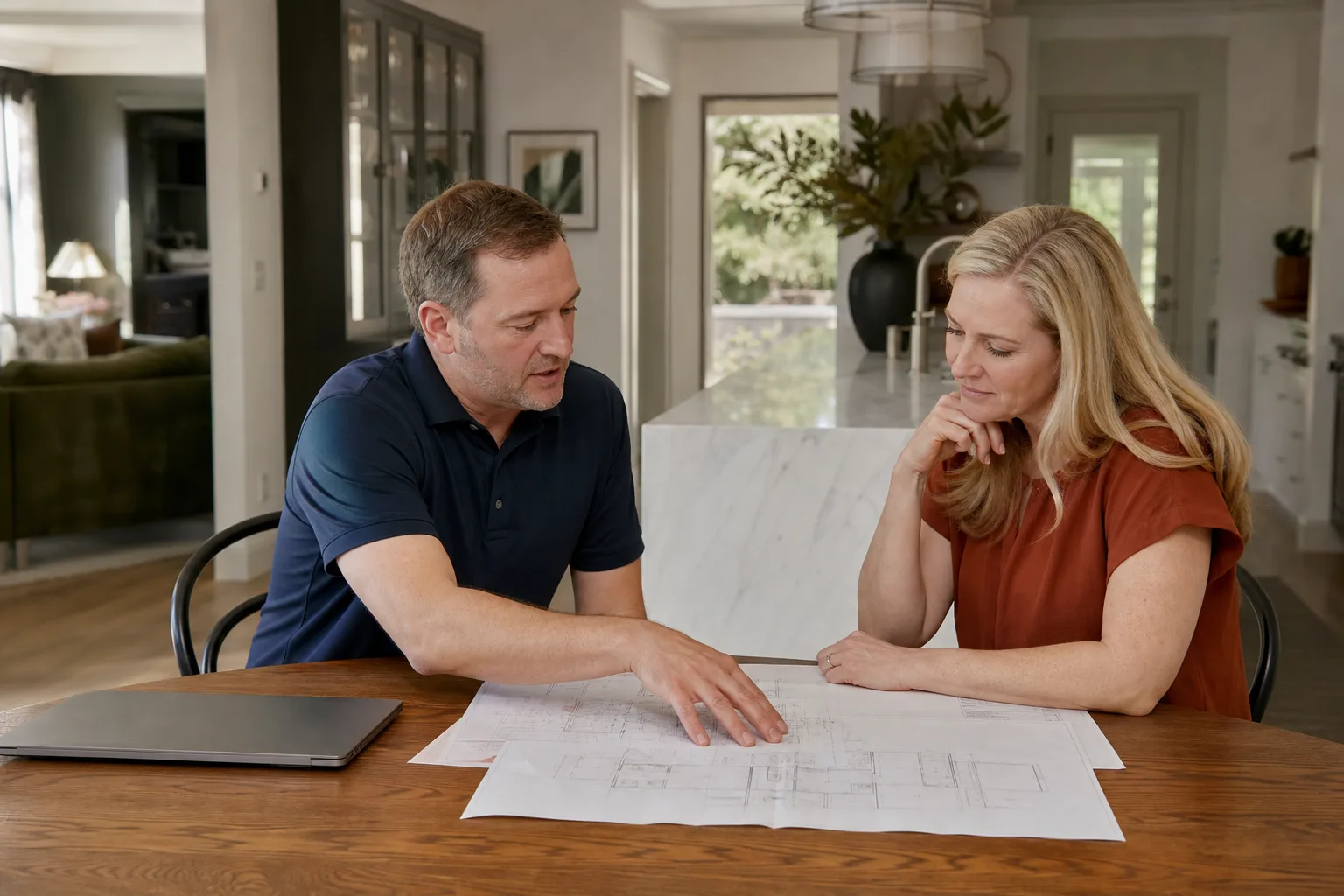
Plan on 10 to 18 months from first drawings to a ready-to-issue permit in Los Angeles, with flatland single-story units on the shorter end and hillside or two-bedroom Abodu models on the longer end due to additional geotech and fire review. The best way to compress that timeline is to submit a complete, accurate design package the first time. Call (213) 449-7136 and we’ll give you a realistic schedule for your specific parcel.
Usually yes, because most Los Angeles plan-check corrections target specific sheets: foundation details, Title 24, fire sprinklers, or grading notes. If the underlying site data is good and the architectural intent matches Abodu’s factory specs, we revise the affected sheets and resubmit. If the original design was built on wrong zoning assumptions, a restart is sometimes cheaper than a third resubmittal cycle. Call us and we’ll review what LADBS sent you before you commit to either path.
For a standard Abodu ADU on a typical Los Angeles lot, first-round plan check comments come back in 6 to 10 weeks, and each resubmittal adds 4 to 6 more. Most projects see two to three review cycles before approval. The single biggest driver of extra cycles in Los Angeles is incomplete Title 24 documentation, so we prepare that package carefully the first time.
We keep Abodu-spec hold-down brackets, anchor bolts, shear strapping, drip-edge, and weather barrier materials ready for Los Angeles jobs, plus we can order factory-specified connectors on short lead times when a site requires something outside our standard truck stock. We’ll tell you at the estimate whether your project needs OEM Abodu materials or a better aftermarket material for a coastal or hillside microclimate.
Written by Ben Ortega, Owner, Seedling ADU Los Angeles at Seedling ADU Los Angeles, serving Los Angeles and nearby areas.


