
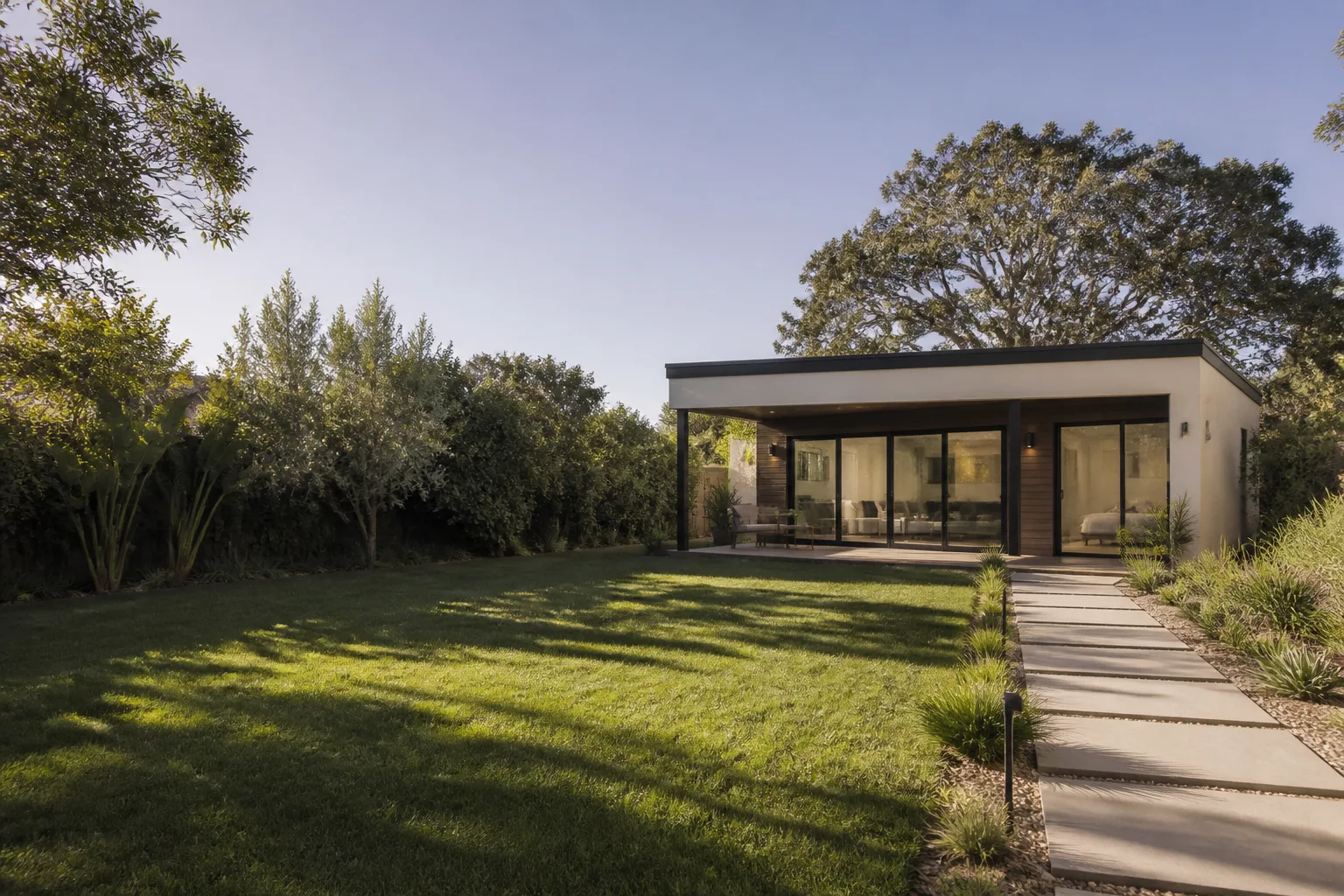
Cover Junior ADU Conversion: The Los Angeles Owner’s Guide
Junior ADU conversions in Los Angeles typically cost $85,000 to $140,000 for a Cover-based project, and the “conversion” part most owners ask us about isn’t a single part at all. It’s usually the integration layer: the electrical panel upgrade, the plumbing tie-in, or the structural connection between a Cover unit and the existing home. We stock and install Cover-compatible conversion components, and most Los Angeles owners discover they need one not through a catastrophic failure, but through a permit correction, an inspection note, or a slow-building symptom like a breaker that trips when the mini-split and the washer run at the same time.
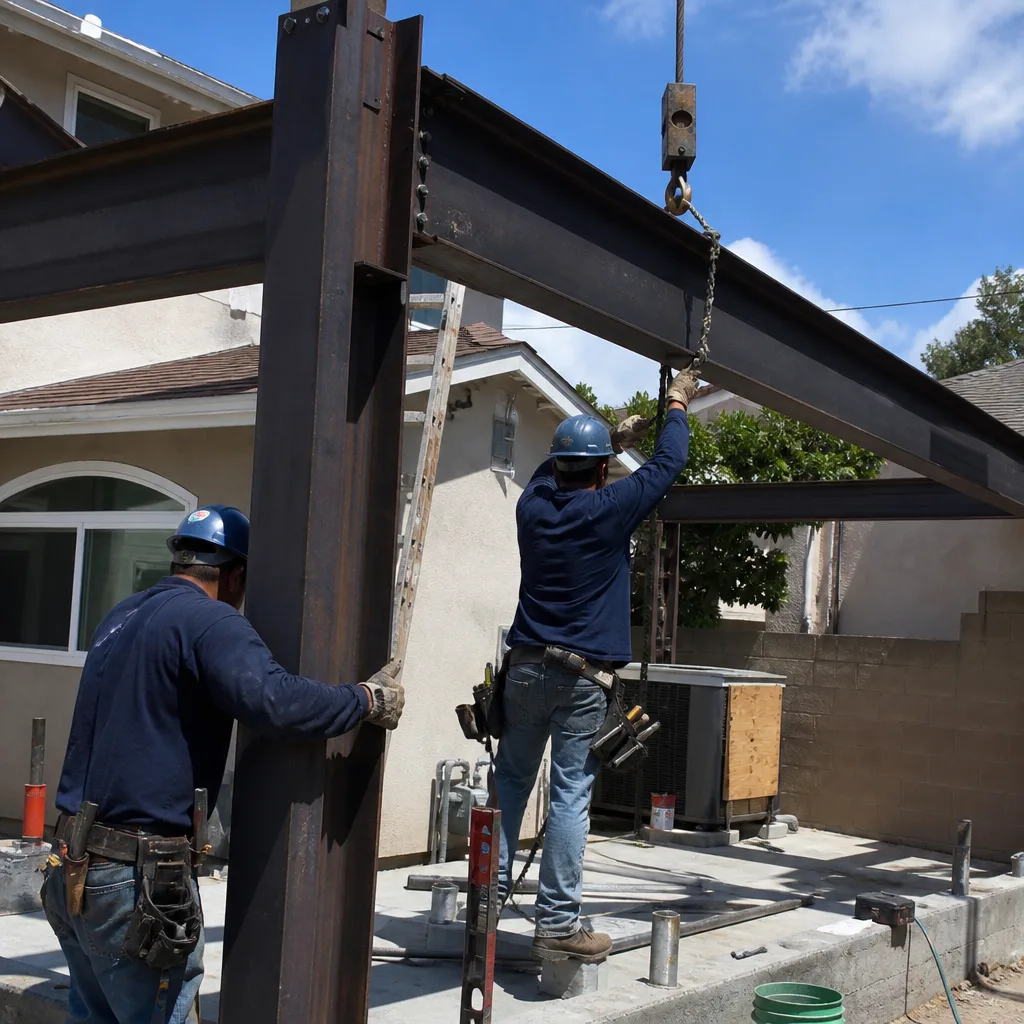
If you’re reading this because something on your Cover junior ADU stopped working the way it should, here’s the practical route: we identify the failing component, match it to your Cover model’s specs, and give you a written price before we touch anything. That’s how we work on every project.
Key Takeaways
- A “Cover Junior ADU conversion” in Los Angeles usually means the connection work between a Cover unit and the primary home, not a single replaceable part.
- The conversion components most likely to fail first in Los Angeles are electrical subpanels, water heater feeds, and the seismic straps required by LADBS.
- Installed conversion repairs in Los Angeles run from $1,800 for a basic tie-in fix to $12,000+ for a full panel replacement.
- Any conversion work attached to a Cover unit requires permitting through LADBS, and we handle that as part of the installation.
Which Cover Models This Applies To
If you have a Cover unit on your Los Angeles lot, your conversion components depend on which generation and configuration you own. Cover units arrive as factory-built modules, but the junior ADU conversion, the kitchenette rough-in, the bathroom tie-in, and the electrical service all happen on-site. The most common compatibility point we see: Cover’s standard 400-amp and 100-amp subpanel configurations don’t always match what Los Angeles Department of Building and Safety wants to see when the unit is connected to an older home with a 100-amp main service. That mismatch is often why an inspector flags the conversion, and why a generic “ADU electrical kit” doesn’t solve the problem.
For OEM vs. aftermarket decisions, we take a clear position. Cover uses proprietary wall panels and a steel frame system, so anything structural should stay OEM or match Cover’s exact specifications. For the parts that actually wear, the subpanel breakers, water heater flex lines, seismic straps, and weather sealing, quality aftermarket equivalents from suppliers we’ve tested hold up well and often cost 20 to 30 percent less, without cutting corners. Ben Ortega’s approach has always been to tell owners which is which, and then let the budget decide.
Independent note: Seedling ADU Los Angeles is not affiliated with Cover. We are a Los Angeles ADU builder that works hands-on with Cover units, along with Abodu and Dvele, which is how we know which conversion parts genuinely fit and which ones will fight you on install day.
Signs Your Cover Junior ADU Conversion Is Failing
- Breakers trip when two appliances run at once. Cover units are efficient, but the conversion subpanel is rated for a specific load. When a Los Angeles summer pushes the mini-split hard and a washer kicks on, a tripping breaker usually means the subpanel feed was undersized for your actual usage, not that the Cover unit itself is faulty.
- Hot water runs out in under five minutes. Many junior ADU conversions use a point-of-use water heater tied to the main home’s line. When the conversion’s supply line is shared with an older galvanized main, sediment and calcium from Los Angeles water reduce flow and tank efficiency quickly. The tell is weak pressure at the shower with normal pressure at the kitchenette sink.
- Seismic straps show rust or the gas line shifts. LADBS requires specific seismic strapping on ADU conversions, especially for gas appliances and water heaters. If you can see corrosion at the strap anchor points or hear a slight metallic creak when you run the heater, don’t wait on this one. That strap is doing real safety work in a city with our earthquake profile.
- Wall penetrations leak during winter rains. Cover panels are tight, but the conversion’s field-cut openings for vents, electrical conduit, and plumbing are sealed by the installer. In Los Angeles, the first real rain after a dry stretch reveals any seal that wasn’t done right, and the leak often shows up as a small damp spot on the interior wallboard near the penetration.
- The unit’s humidity feels higher than the main house. Junior ADUs are small, and a poorly balanced conversion exhaust system traps moisture. If towels stay damp overnight or the bathroom mirror fogs for more than a few minutes after a shower, the conversion’s ventilation wasn’t matched to the space, and you’re on a path toward mold in the wall cavity.
Replacement Cost & What’s Included
In Los Angeles, conversion component replacement on a Cover junior ADU runs in clearly defined tiers. A basic fix, like replacing a water heater flex line or a single breaker, is $180 to $400 installed. A subpanel swap runs $2,800 to $5,500 depending on whether we’re replacing the box or the feed line back to the main service. A full conversion rework, which means new seismic strapping, re-sealing all penetrations, and correcting a mis-sized panel, lands between $8,000 and $12,000 on most Los Angeles lots we see.
| Job | Typical Los Angeles Installed Price |
|---|---|
| Single breaker replacement | $180 – $320 |
| Water heater flex line and valve replacement | $220 – $400 |
| Subpanel replacement (including labor and permit) | $2,800 – $5,500 |
| Seismic strapping corrective work | $900 – $2,200 |
| Full conversion rework (panel + strapping + re-sealing) | $8,000 – $12,000 |
Every quote includes the written price before work starts, with parts and labor separated line by line. Permits are included when LADBS requires them, and the completed work is covered by the 365-Day Done Right Promise. If it’s not done right within a year, we make it right. You’ll also get the Cedarwell Care Promise treatment: shoe covers, drop cloths, pet-safe products where there’s a choice, and a photo of the clean-up before the crew leaves.
DIY or Call Us?
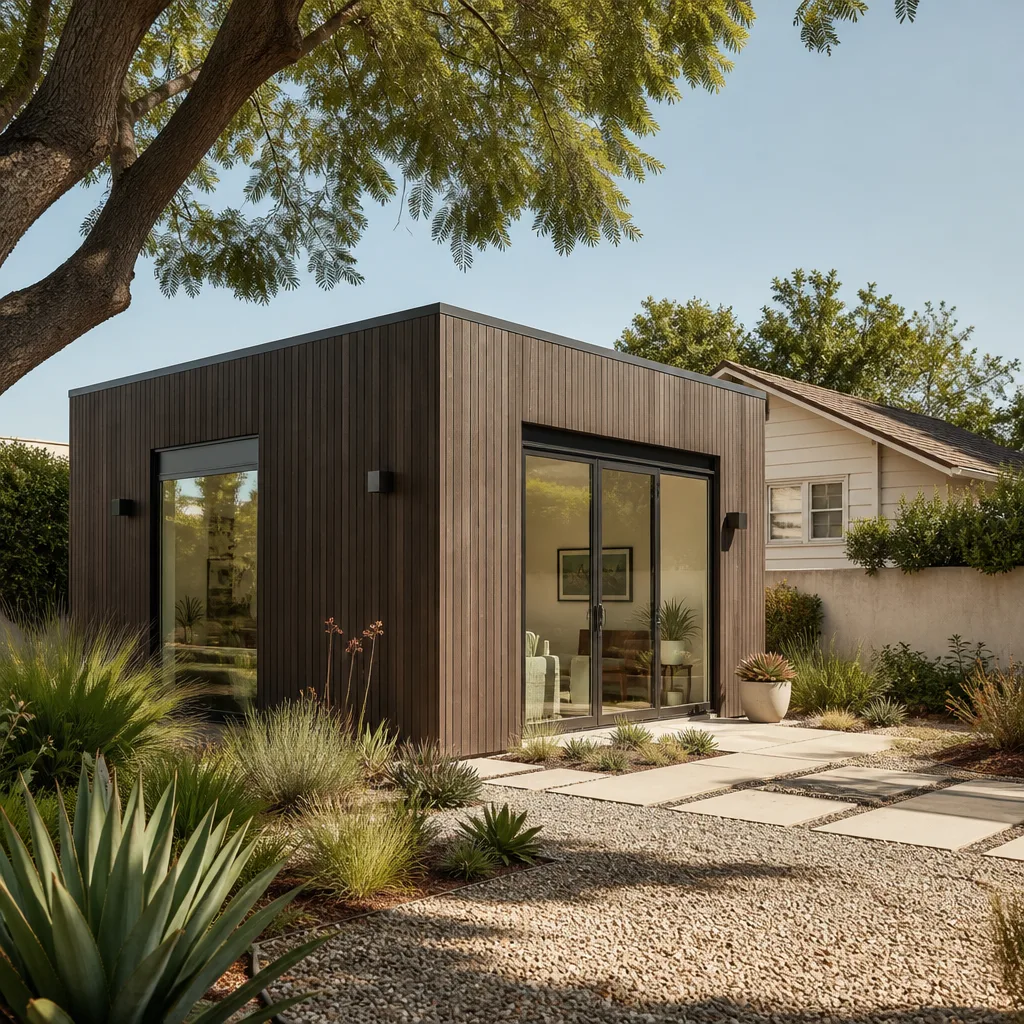
There are two conversion checks an owner can do safely, and both are worth doing. First, check your panel label: if the subpanel feeding your Cover unit is rated below 100 amps and you’re running a mini-split plus a washer, that’s a conversation to have with an electrician, not a reason to open the panel yourself. Second, look for visible rust or gaps around the wall penetrations on the outside of the unit, anything a tube of caulk can fix now versus a rotted stud later. Those two inspections take ten minutes and cost nothing.
What you should not do yourself is anything involving the electrical panel interior, the gas line, or the seismic straps. High-tension and gas work on a conversion is not a weekend project, and in Los Angeles, unpermitted work on an ADU conversion gets flagged on resale and can void your Cover warranty coverage. The wrong fix costs more than the right call. If you want an honest read on what’s failing and what it costs, call us at (213) 449-7136 and we’ll walk through it.
FAQs
Weather seals around penetrations last 5 to 8 years before Los Angeles sun and rain cycles start to crack them, while a correctly sized subpanel should last 20 to 30 years with no maintenance. Water heater components in your conversion are the shortest-lived, usually 8 to 12 years depending on water hardness in your specific neighborhood. Call (213) 449-7136 for an exact assessment of your unit, free of charge.
Breakers, flex lines, and seals can usually be repaired or replaced individually, but a subpanel that’s tripping under load or a set of rusted seismic straps should be replaced, not patched. The repair-versus-replace call depends on what we find when we inspect, and we’ll give you a written price for either path before any work begins.
A single breaker or flex line takes under two hours, a subpanel replacement takes one full day including the LADBS inspection, and a full conversion rework takes three to five working days on most Los Angeles properties. We’ll give you a specific timeline after we see the unit, and a live person answers the phone throughout the project if you have questions.
We keep common Cover-compatible breakers, flex lines, seismic straps, and weather sealing on the truck, and we order panel-specific or structural components from suppliers we’ve worked with for years. Most Los Angeles conversion fixes start and finish without waiting on a shipment. Call (213) 449-7136 and we’ll confirm what we can bring to your first visit.
Written by Ben Ortega, Owner, Seedling ADU Los Angeles at Seedling ADU Los Angeles, serving Los Angeles and nearby areas.


