
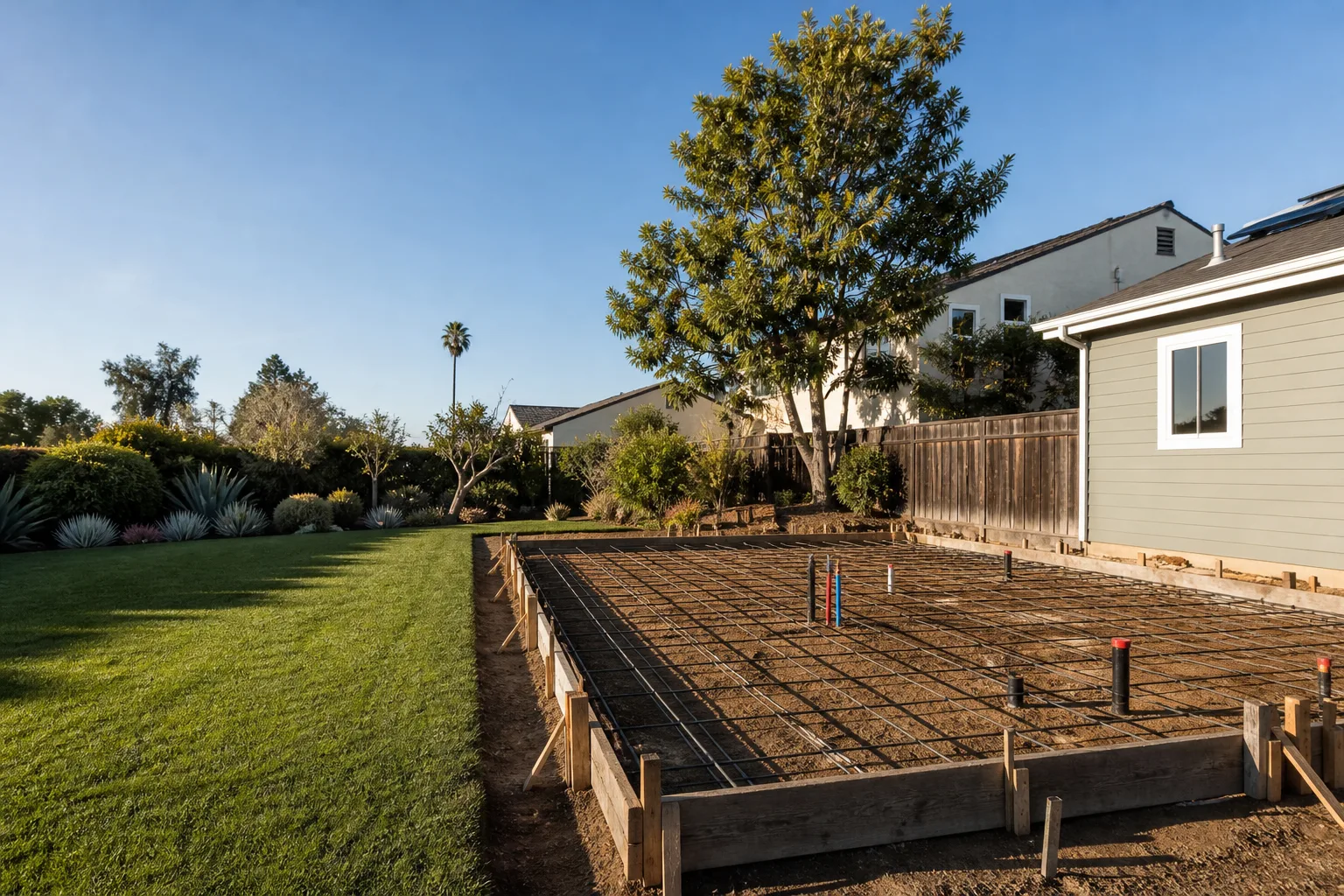
James Hardie Site Prep & Utilities: The Los Angeles Owner’s Guide
We stock and install James Hardie-compatible site prep and utility components across Los Angeles, with most replacements running between $450 and $1,800 depending on what failed and how deep the prep work goes. If you already have a James Hardie siding or trim product on your ADU, garage conversion, or home addition, a failing substrate, flashing, or drainage component underneath it is usually the real problem, not the Hardie board itself. What most owners notice first is a corner pulling away, a soft spot near the foundation line, or water staining that shows up a few months after a storm.
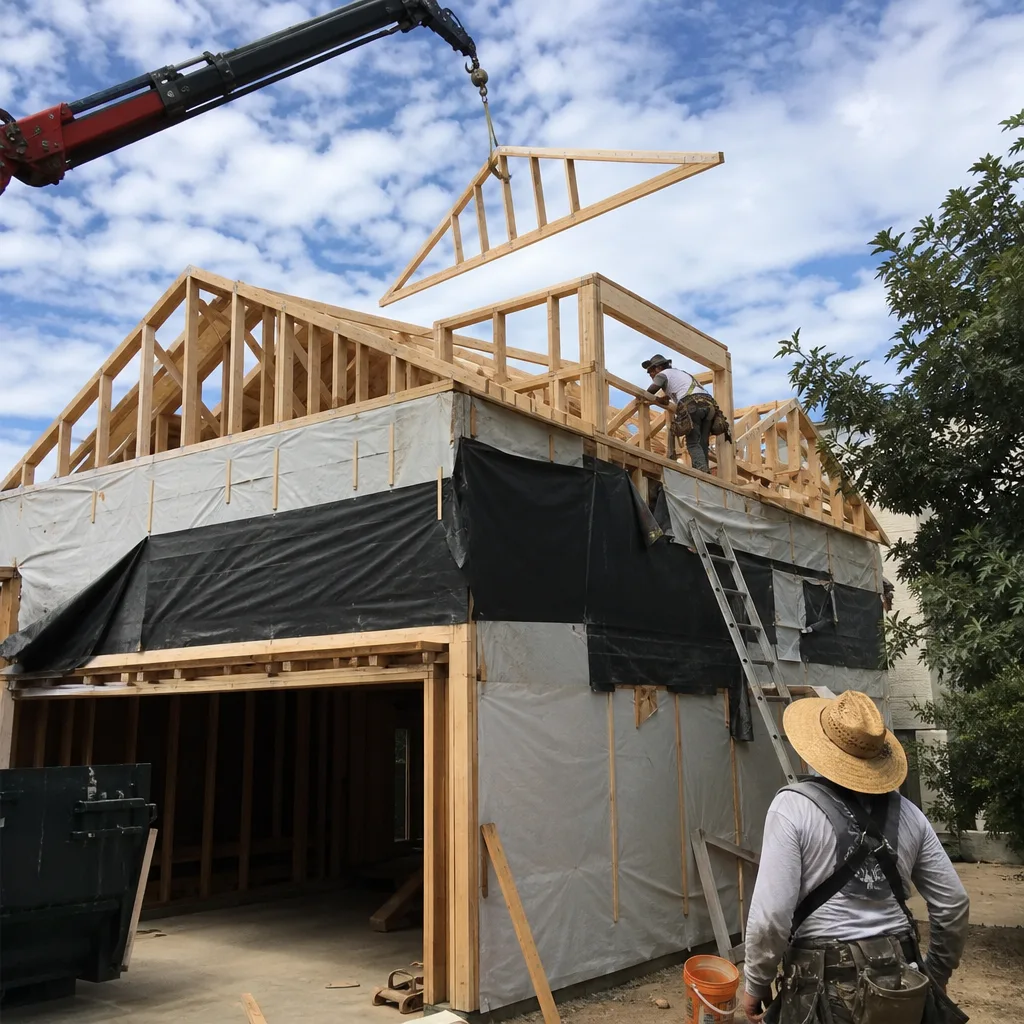
Site prep and utilities for James Hardie products in Los Angeles means the unglamorous layer: the moisture barrier, the flashing details, the drainage plane, the clearance from grade, the weep screed coordination, and the utility stub-outs that have to land in exactly the right place before the first Hardie plank ever gets nailed on. When one of those fails, the Hardie product takes the blame, but the fix starts below it.
Key takeaways:
- Installed replacement cost in Los Angeles typically runs $450 to $1,800 depending on scope
- We carry James Hardie-compatible flashing, moisture barrier, and trim components on the truck
- Most failures trace back to prep layers, not the Hardie board itself
- Every replacement is covered by our 365-Day Done Right Promise in writing
Which James Hardie Models This Applies To
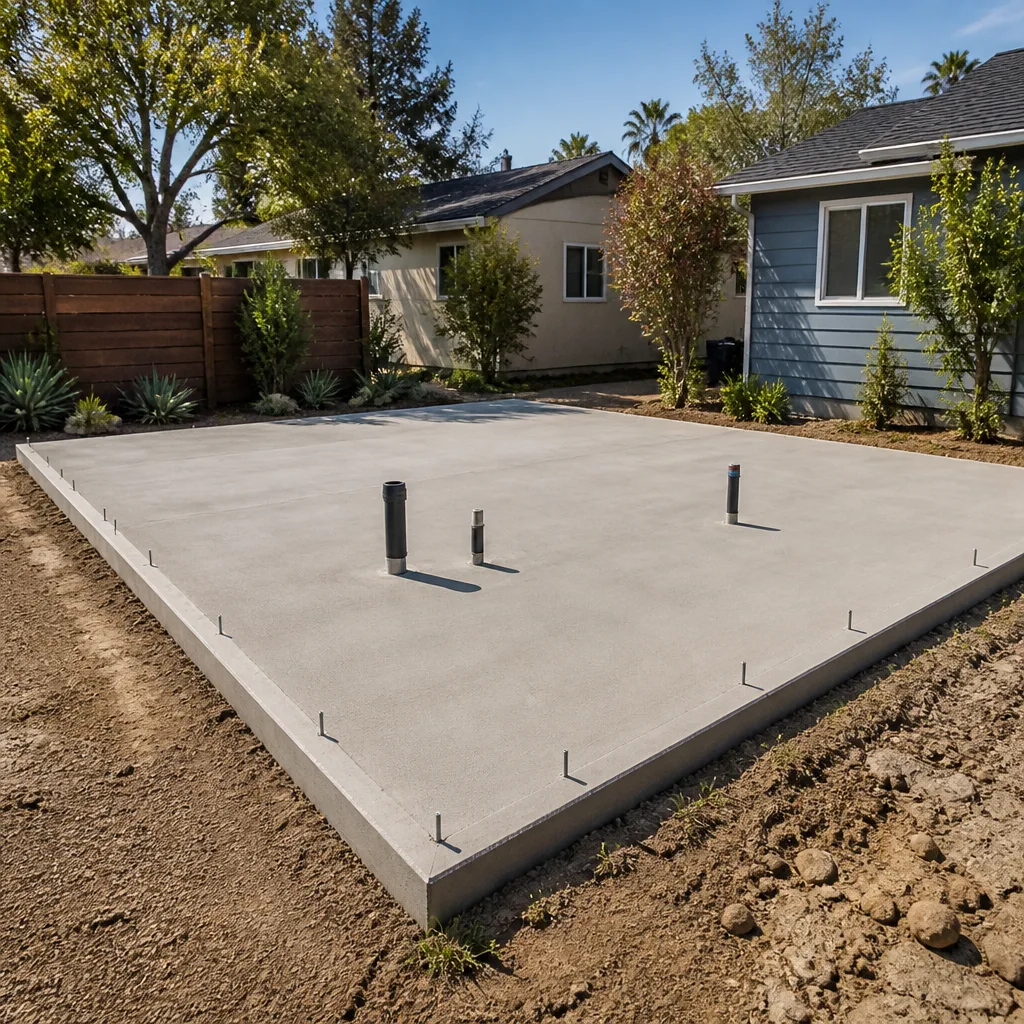
Site prep and utility components sit behind or below every James Hardie product line, but the clearance and drainage requirements shift depending on which product you’re working with. HardiePlank lap siding, HardiePanel vertical siding, HardieTrim boards, and HardieSoffit all share the same core requirement: a code-compliant moisture barrier and at least 6 inches of clearance from grade in most Los Angeles residential zones. But the specifics change fast. HardiePanel, for example, sits flush and demands more careful flashing at vertical seams than lap siding, because water has nowhere to lap away.
The quick way to identify what you need is to look for the stamped product code on the back of any spare board or the original invoice line. HardiePlank codes start with HZ10 or HZ5 depending on the formulation region, and Los Angeles homes almost always carry the HZ10 line, which is engineered for the wet-dry cycling we get along the coast and up into the foothills. If you’re matching an older install, the board width will be either 5.25, 6.25, 7.25, or 8.25 inches, and you’ll want to confirm exposure, not just board width, because a 6.25-inch plank installed at 5-inch exposure needs different flashing geometry than the same board at 6-inch exposure.
On the OEM versus aftermarket question: James Hardie does not manufacture its own flashing, and that’s a good thing. We use third-party flashing and barrier products that are tested for compatibility with Hardie’s cement board chemistry, which is alkaline and can corrode certain metals over time. Aluminum flashing, for instance, should be kept from direct contact with uncured Hardie edges. We use galvanized or powder-coated steel at those contact points. For utilities, the rule is more straightforward: gas and electrical stub-outs must land exactly where the plans say, because Hardie board does not forgive a misdrilled penetration the way wood siding does. You patch wood. You replace Hardie.
Signs Your James Hardie Site Prep & Utilities Is Failing
- Water staining at the bottom edge of your Hardie siding near the foundation. This almost always signals a drainage plane or weep screed coordination problem, not a siding failure. In Los Angeles, winter rains expose this within one season if the prep layer was skipped or taped wrong.
- Corners pulling away or caulk joints cracking repeatedly. Hardie expands and contracts with moisture, and when the corner flashing underneath is undersized or missing, the trim takes the movement and the caulk line fails. If you’ve re-caulked twice in three years, the fix is underneath.
- A soft or swollen spot near any utility penetration. Electric conduit, hose bibs, and gas lines piercing a Hardie wall are the most common leak points on LA ADUs and garage conversions. The boot or gasket fails first, and by the time the board discolors, the sheathing behind it has been wet for months.
- Pest activity at the foundation sill or behind bottom trim. Ants and termites find the gap where grade clearance is under 6 inches or where the bottom flashing row was skipped. Hardie itself is not a food source, but the OSB or plywood behind it is.
- Utility stub-outs that no longer line up with the panel cutouts. This shows up when a homeowner tries to replace a panel and discovers the original electric or gas penetration was drilled off-center or at the wrong height. The Hardie install got blamed, but the prep layout was wrong from the start.
Replacement Cost & What’s Included
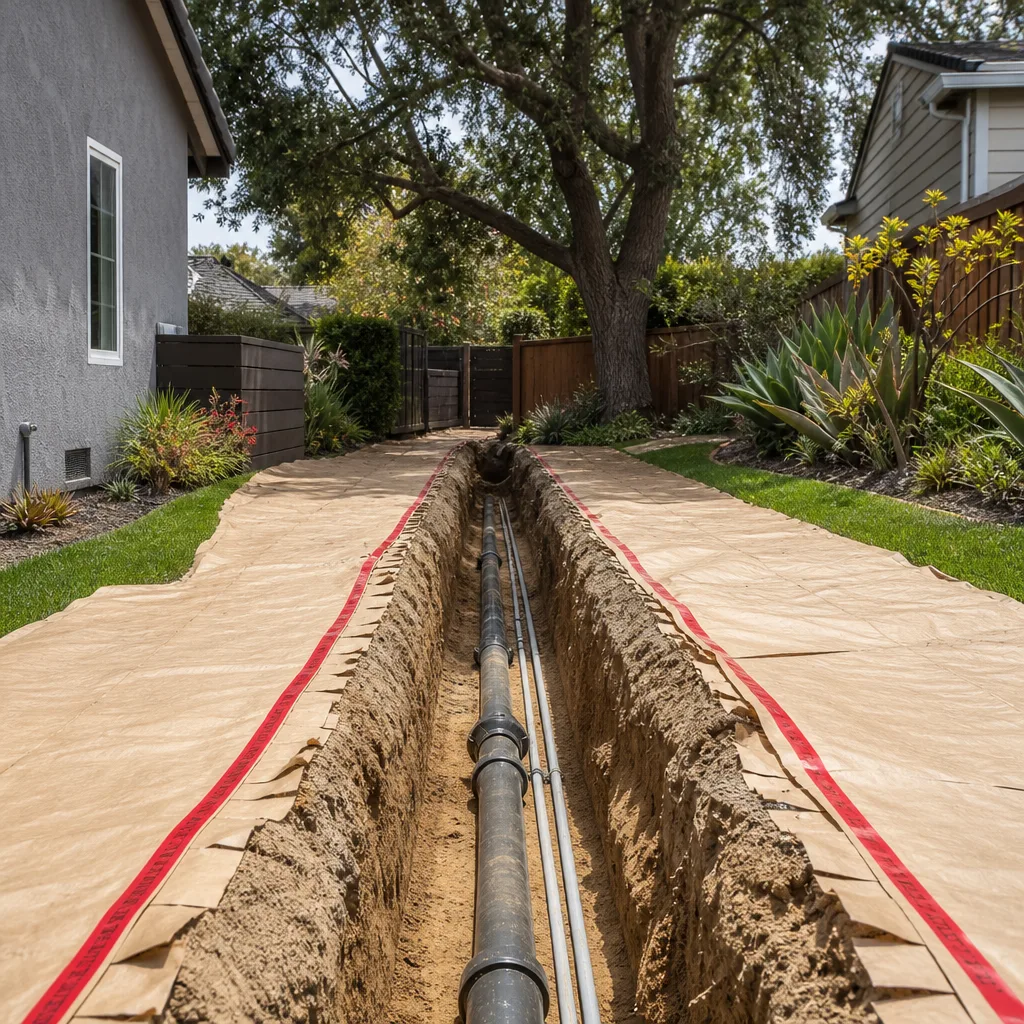
In Los Angeles, a focused site prep or utility component replacement on a James Hardie wall typically lands between $450 and $1,800 installed. The low end covers a flashing repair at a single corner, a weeping screed section replacement, or resealing a utility penetration. The high end covers a full bottom-of-wall prep rebuild: removing the bottom two courses of siding, replacing the drainage plane and flashing assembly, re-installing with correct grade clearance, and re-coordinating utility penetrations. Most jobs land around $800 to $1,400.
What moves the price in Los Angeles specifically: access (a zero-lot-line ADU wall with two feet of clearance costs more in labor than an open garage wall), the number of utility penetrations involved, and whether the original installer skipped the drainage layer entirely, which means more of the wall comes off. We write the price before we touch anything: parts, labor, disposal, and the exact scope, no change orders after the crew arrives. Every job is backed by the 365-Day Done Right Promise, and if something fails because of our install, we come back and fix it. In writing.
DIY or Call Us?
The honest split is this: you can safely identify the problem, and you should. Walk the wall after a rain, check the clearance from grade with a tape measure, look at the caulk joints at corners. That information helps us give you a faster written price over the phone. What you should not do is start pulling Hardie boards off to inspect behind them. The boards are heavy, they crack if you pry wrong, and the flashing details behind them have a specific order of installation that, if mixed up, sends water right back where it was before. Plus, if a utility penetration is involved and you’re working near live electrical or gas lines, that’s a job for someone who has done it before.
Ben Ortega has been walking Los Angeles lots long enough to know which prep shortcuts he’s going to find before the first board comes off. If you want to know exactly what you’re dealing with, call us at (213) 449-7136 and tell us what you’re seeing. We’ll tell you what it likely is, what it likely costs, and whether it’s worth having us look in person.
FAQs
Properly installed flashing, drainage plane, and utility boots should last 15 to 25 years in most Los Angeles climates, with coastal homes closer to the 15-year mark due to salt air and foothills homes lasting longer since they dry out faster between storms. If your flashing failed within five years of a new install, the installation was the problem, not the material.
It depends on what failed: a single torn corner flashing or a failed utility boot can usually be repaired in place, but a drainage layer that was taped wrong or skipped entirely means removal and reinstallation of the bottom courses because the fix has to happen behind the siding, not on top of it.
Most single-wall prep repairs take one full working day, and we protect everything inside the home with shoe covers and drop cloths while we work. If the scope expands to multiple walls or re-coordinating several utility penetrations, plan on two to three days.
We stock the common items on the truck: flashing in multiple profiles, drainage plane material, utility boots, and the sealants rated for Hardie’s alkaline surface. If you have a rare older series or an unusual penetration layout, we can usually source it within one to two business days from suppliers we trust here in Los Angeles.
If your James Hardie wall is showing signs that something underneath went wrong, call (213) 449-7136 and tell us what you’re seeing. Your free estimate comes in writing, and so does the 365-Day Done Right Promise that stands behind it. We also work extensively with Abodu, Cover, and Dvele ADU builds, so if your prefab project has site prep quirks, we’ve likely seen them before.
Written by Ben Ortega, Owner, Seedling ADU Los Angeles, serving Los Angeles and nearby areas.


